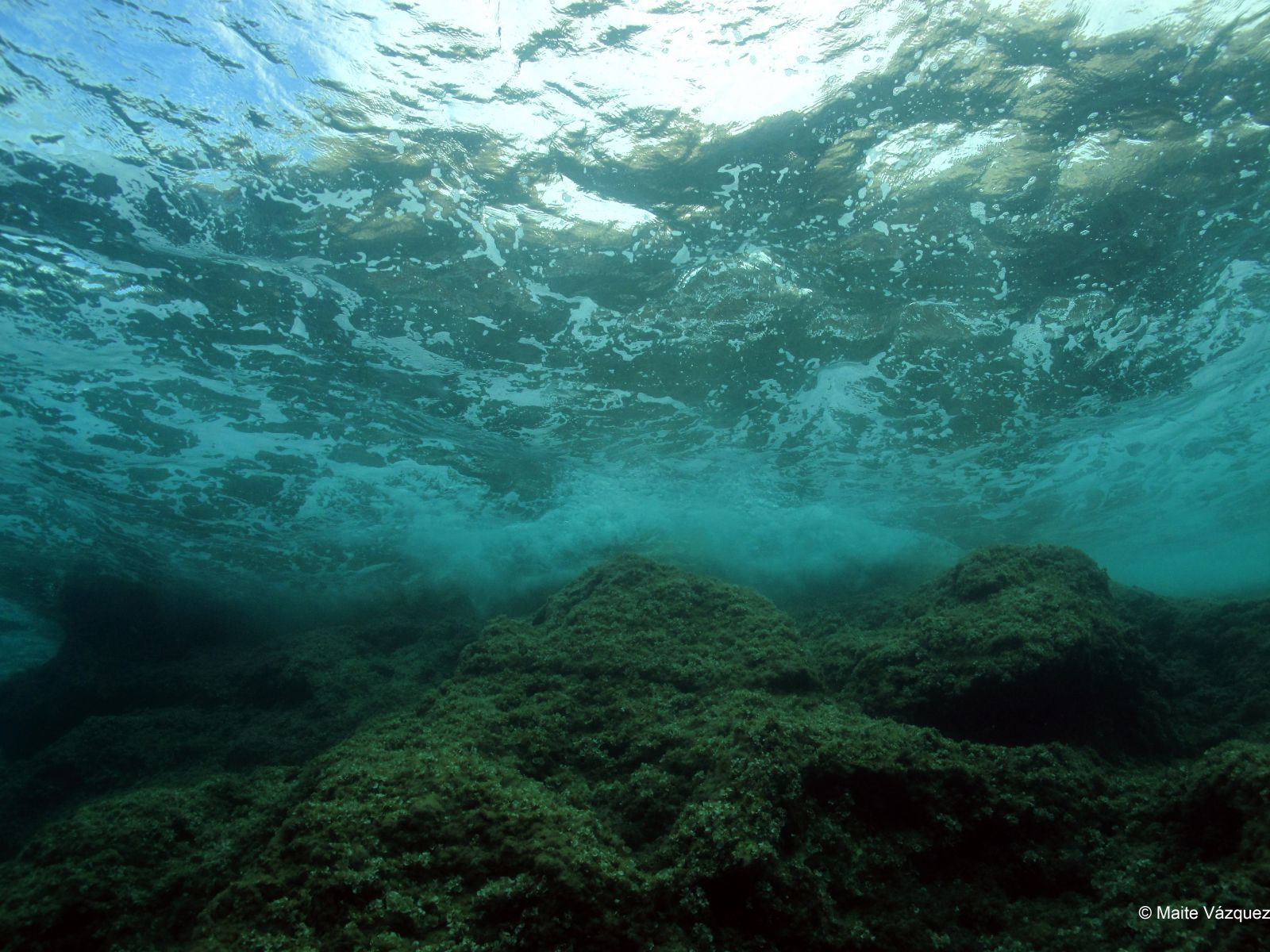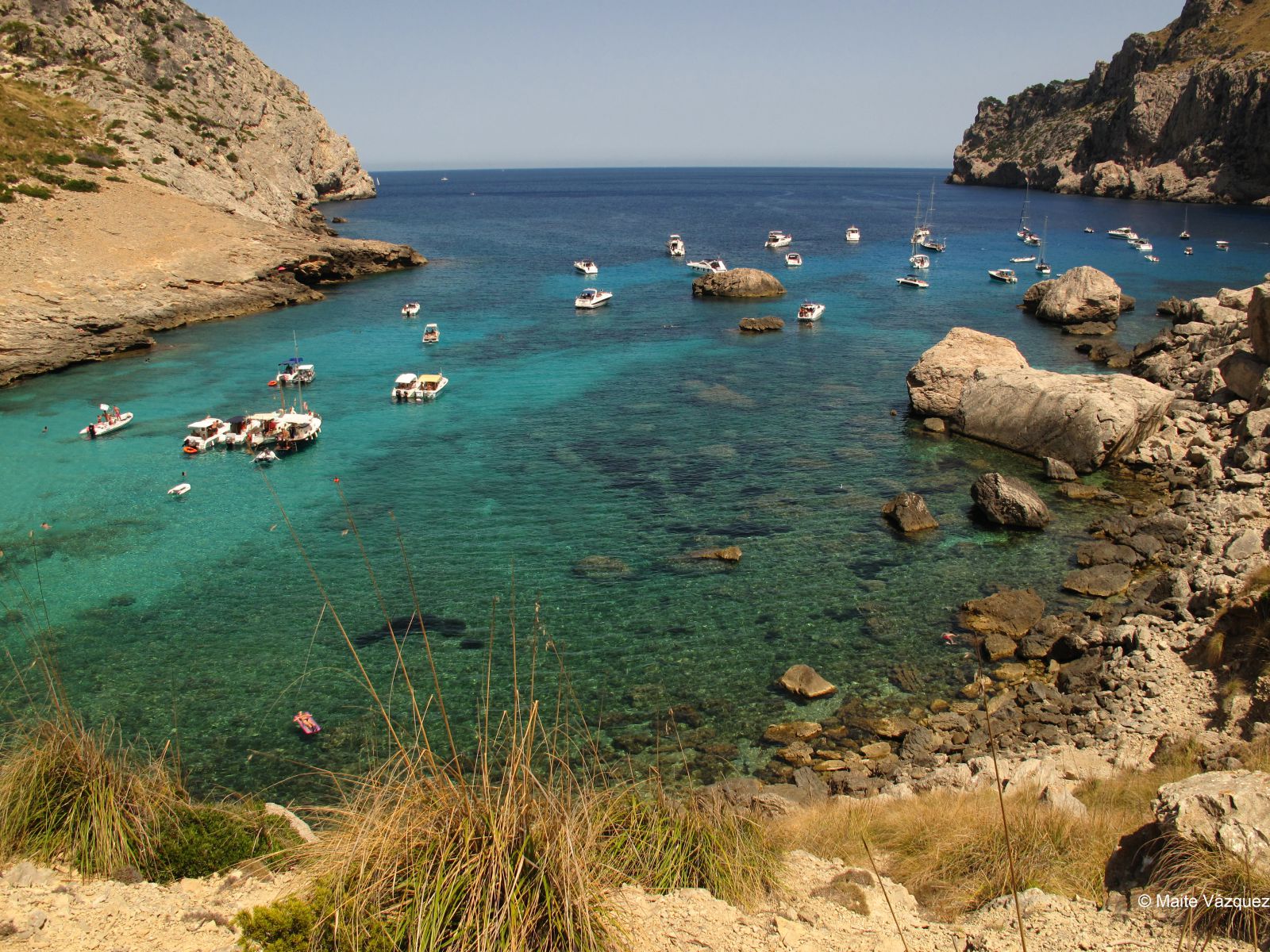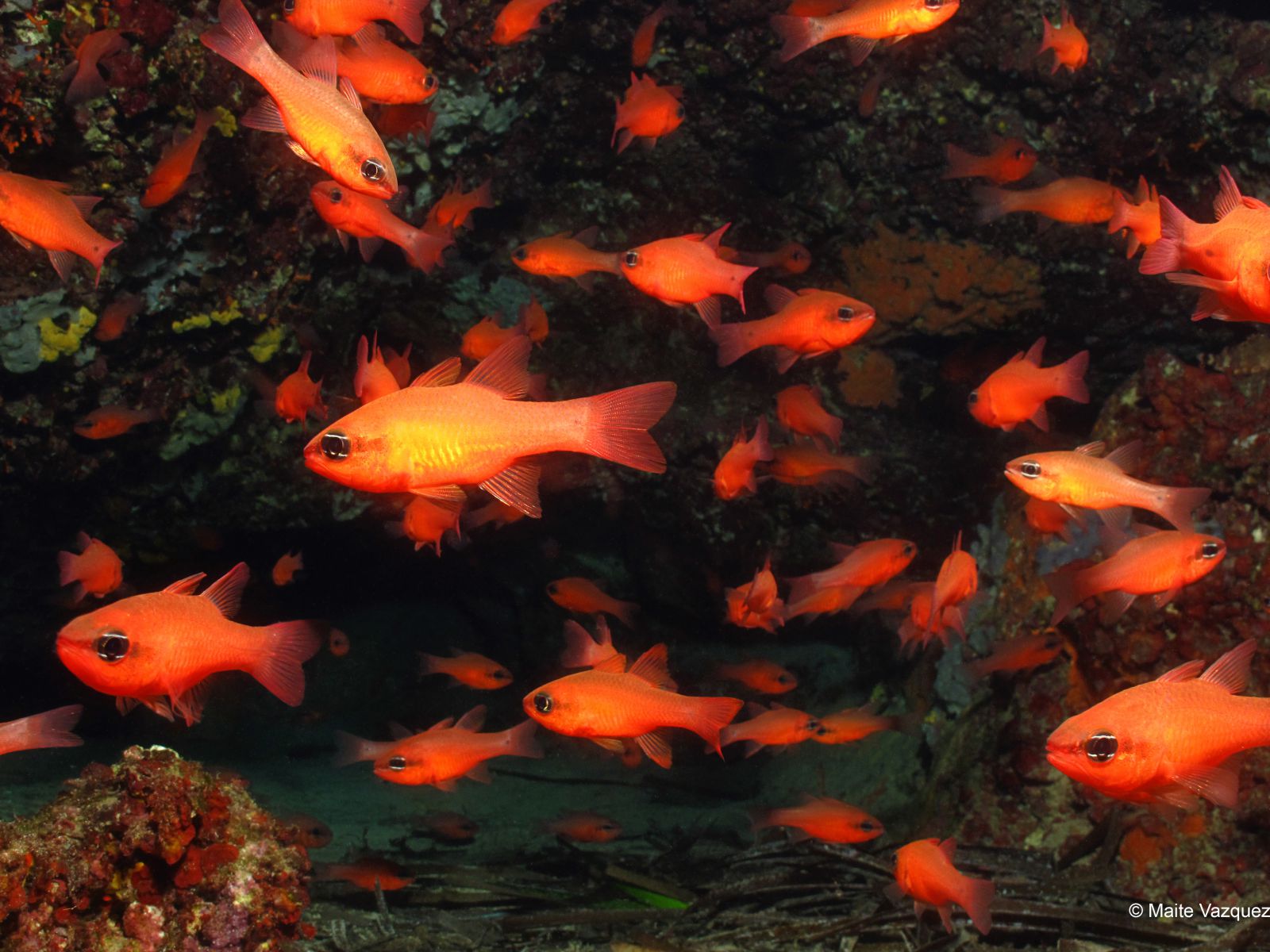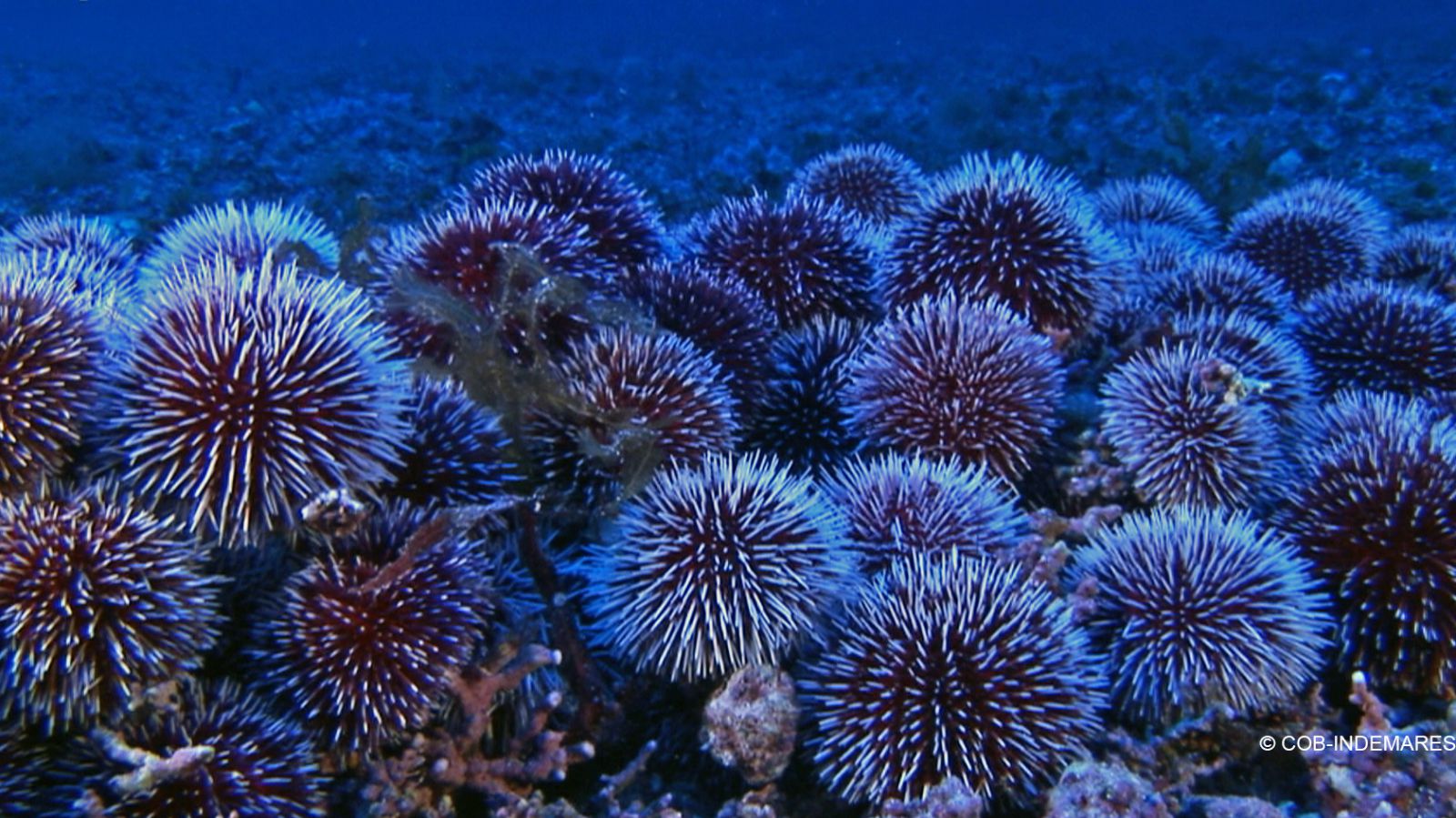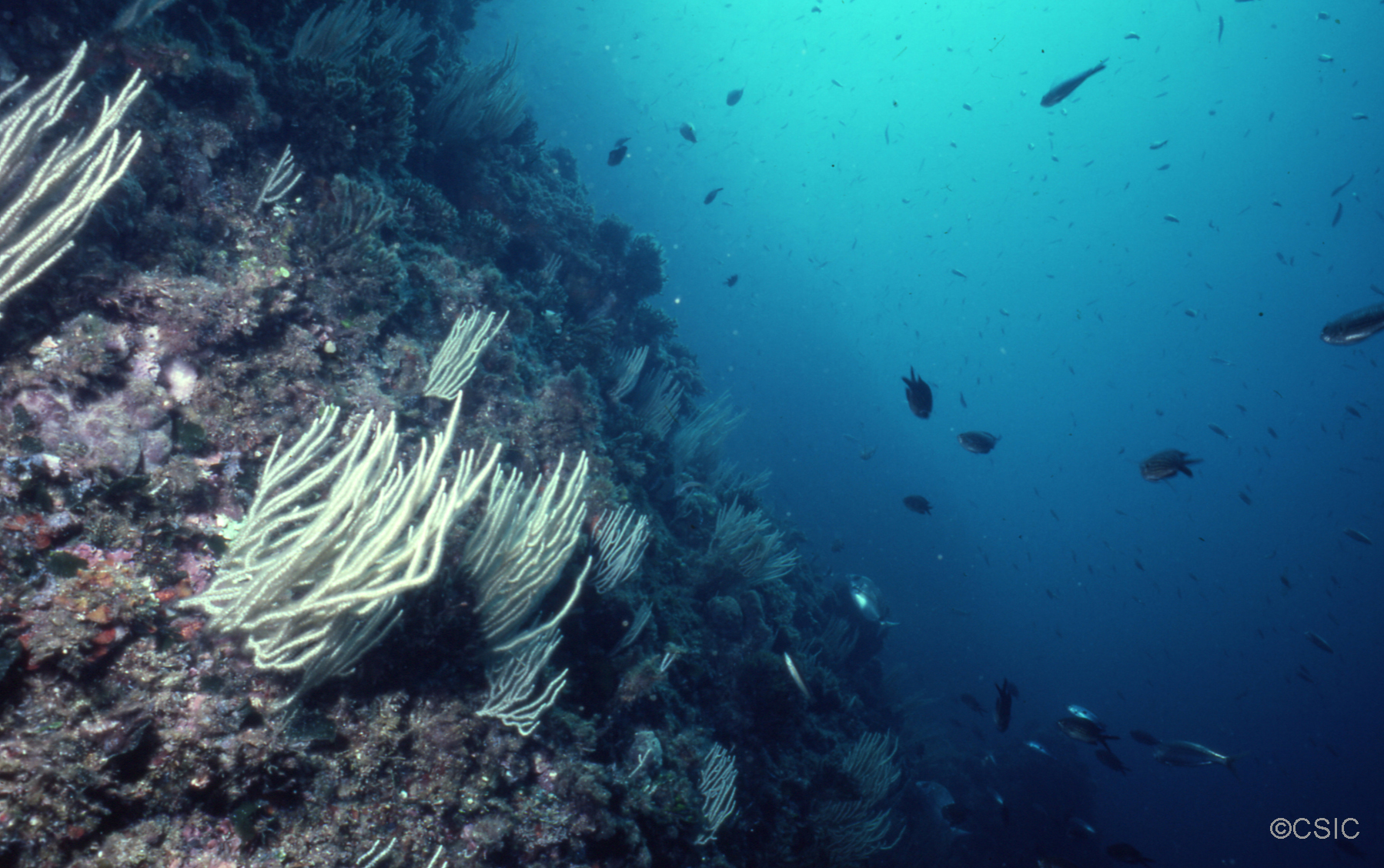


The research of the LIFE+ INDEMARES project, coordinated by the Biodiversity Foundation of the Ministry of Agriculture, Food and the Environment, in the Menorca Channel, a marine corridor of at least 36 kilometres wide, located between the islands of Mallorca and Menorca, has managed to inventory around 1,600 species of its seabed. Among them, 58 protected species have been registered, such as brown algae, loggerhead turtles and numerous cetaceans and seabirds.
The ecosystems of the Menorca Channel are home to multiple habitats. In coastal areas that reach a depth of up to 40 metres, there are large expanses of meadows of Posidonia oceanica, a protected habitat at European level.
In this ecosystem we can find a wide distribution of habitats, from sandbanks and the aforementioned posidonia meadows typical of areas near the coast, to communities of platform bottoms (from 50 to 100 meters deep) and slopes (100 to 400 meters deep) with high ecological value and diversity of species.
This area also has important populations of different species of cetaceans and sea turtles. As for seabirds, the area is especially important for the Balearic shearwater (Puffinus mauretanicus) and Cory’s shearwater (Calonectris diomedea), which come to the area both from nearby colonies and from more distant ones (south of Mallorca, Ibiza, Columbretes Islands).
The main threat to these ecosystems is trawling, the impact of which is considered serious on slow-growing habitats, such as maërl/rhodolith bottoms, coralligenous and cold corals, which are very fragile and vulnerable to any physical-chemical disturbance of the sediment and water column.
With the proposal for a Site of Community Importance (SCI) at the European level, thanks to the results of the LIFE+ INDEMARES project, an area of more than 335,000 hectares of high ecological value is protected.