




The Spanish Network of the United Nations Global Compact has included the Biodiversity Foundation of the Ministry for Ecological Transition in the special dossier prepared on the occasion of the celebration of the third anniversary of the approval of the SDGs.
The Spanish Network of the United Nations Global Compact has positively valued our good practices to advance in the fulfillment of the Sustainable Development Goals (SDGs). Specifically, it has included the Biodiversity Foundation of the Ministry for Ecological Transition in the special dossier prepared on the occasion of the celebration of the third anniversary of the approval of the SDGs.
This initiative is part of a campaign in which a total of 77 entities and in which health, the environment and responsible consumption have been the most prominent themes. Among the actions of the Biodiversity Foundation, the LIFE IP INTEMARES project stands out, which contributes from various areas to implement the principles of the new 2030 agenda for sustainable development in the marine environment.
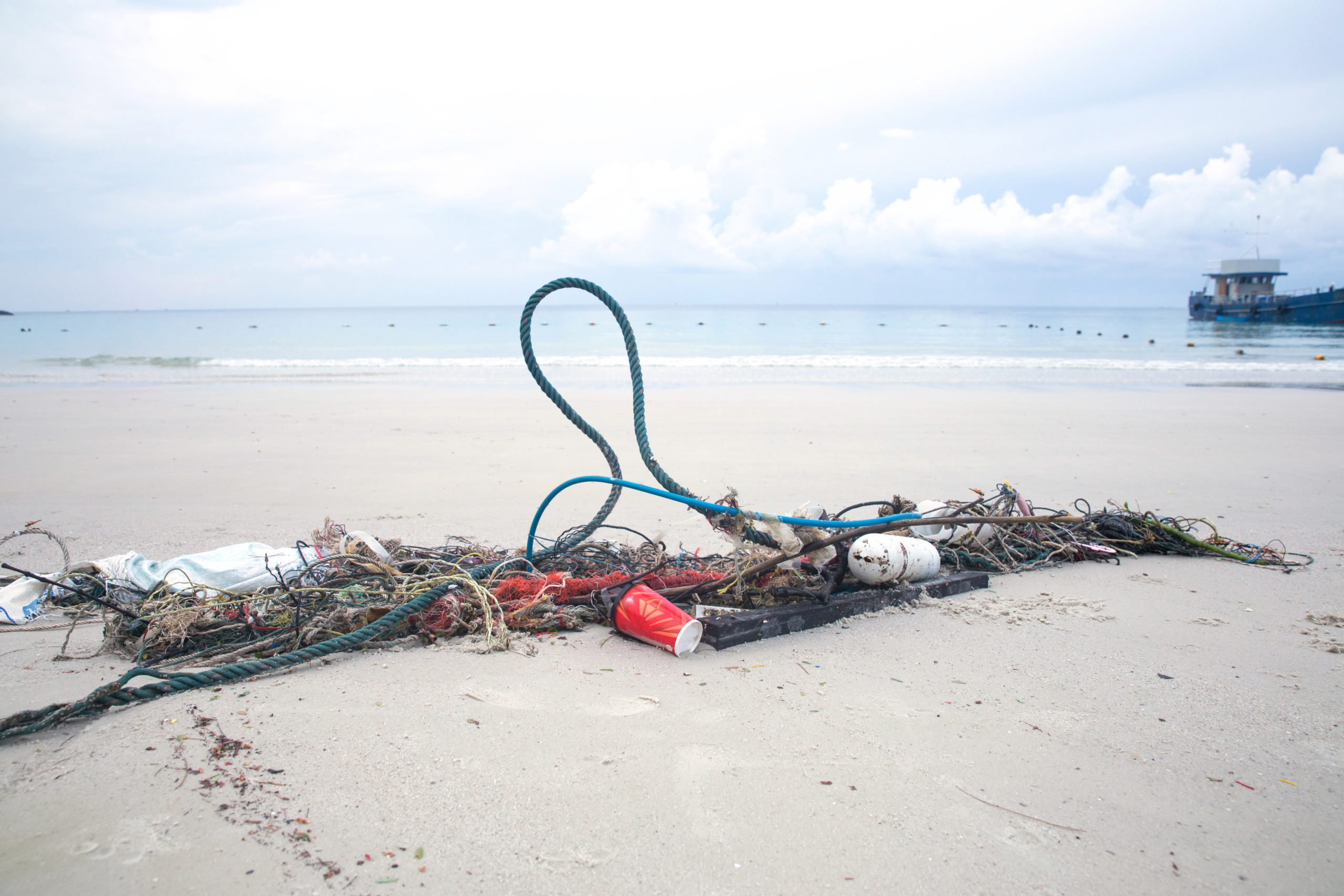
With the aim of reducing pollution, protocols are being developed for the collection of lost or abandoned fishing gear and garbage fishing. In addition, projects and awareness campaigns on garbage collection on beaches and recycling are being financed, supported by European funds and through calls for aid from the Biodiversity Foundation.
On the other hand, actions will be developed to mitigate underwater noise, which affects marine biodiversity and in particular, cetaceans. Along these lines, a guide for the assessment of noise pollution in the marine environment will be drawn up and pilot projects will be developed to improve knowledge of the levels of underwater noise that occur in the Natura 2000 Network areas and their surroundings.
A line of collaboration has also been initiated with the General Directorate of Merchant Marine of the Ministry of Public Works to strengthen the prevention of the discharge of dirty water into the sea, regulated by Annex IV of the MARPOL Convention to prevent pollution by dirty water from ships.
In addition, participatory processes have been launched for the preparation of management plans for the marine areas of the Natura 2000 Network. Likewise, the restoration of seagrass meadows of Posidonia oceanica and the feasibility of ecological restoration actions of gorgonian and coral populations will also be addressed.
Do you want to know more about the LIFE IP INTEMARES project?
You can follow the twitter profiles @lifeintemares and @FBiodiversidad, where we inform you of all the news and performances. And to learn about the progress of what is the largest marine conservation project in Europe, we invite you to subscribe to our newsletter through the following link.
