




We have supported, through calls for grants or subsidies, more than 160 projects, of which 20 are in execution, and for which we have allocated nearly 8 million euros.
During this weekend, Bird Day 2020 is celebrated. This year’s celebration aims to raise awareness about the care of birds, which are indicators of quality of life, as they show us the state of health of the planet and the degree of conservation of biodiversity.
Analysis of the IUCN Red List shows that there has been a steady and continuous deterioration in the status of the world’s birds since the first comprehensive assessment in 1988. Highly threatened species continue to go extinct, while formerly common and widespread species are in steep decline.
According to the Spanish Ornithological Society (SEO/BirdLife), at least 40% of bird species worldwide (3,967) have declining population trends, compared to 44% that are stable (4,393), 7% that are increasing (653) and 8% with unknown trends (823).
At the Biodiversity Foundation we support bird conservation projects. Thus, since our inception we have supported, through calls for grants or subsidies, more than 160 projects, of which 20 are in execution, and for which we have allocated nearly 8 million euros.
The Association of owners and residents of the Castanesa Valley is working on the consolidation of the colony of black vulture (Aegypius monachus) in the Catalan Pyrenees and on its dispersion to new territories in Aragon. The project aims to recover it in an area of historical presence. The reintroduction of the species in the Pre-Pyrenees is crucial as a demographic bridge between the traditional Iberian colonies and those that are being generated in France and in the north of the peninsula with homologous reintroduction projects. It is also intended to increase the supplementary feeding points and the improvement of habitat to facilitate the expansion of the colony towards the Aragonese Pyrenees.
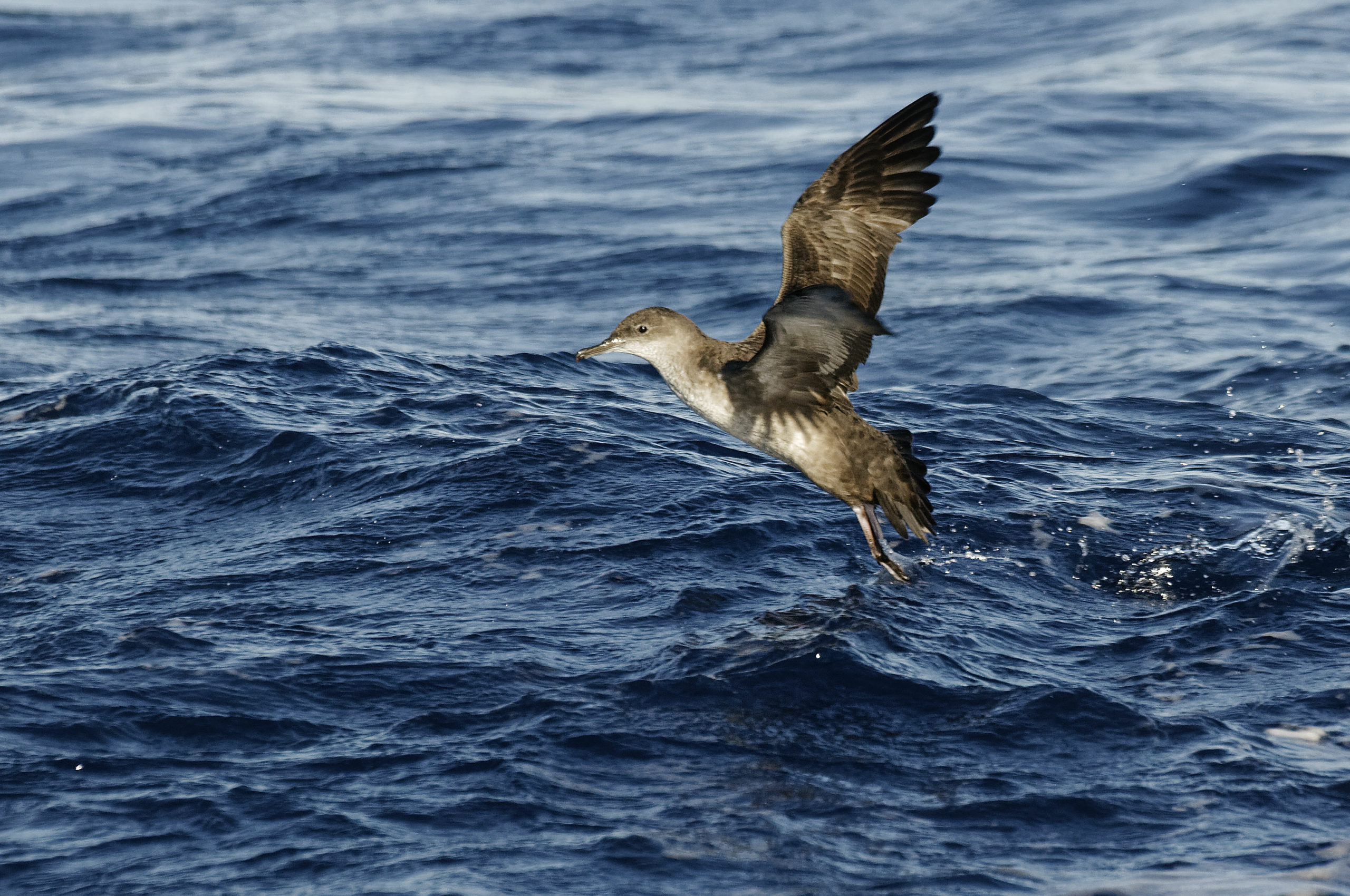
SEO/BirdLife is exploring the connectivity between land and sea for the conservation of two threatened Mediterranean endemic species, the Balearic and Mediterranean shearwaters (Puffinus mauretanicus and Puffinus yelkouan), paying special attention to the consolidation of the marine RN2000 for these species in the Levantine-Balearic Marine Demarcation.
On the other hand, the Spanish National Research Council (CSIC) is working on the key aspects of the landscape for the management and conservation of the European turtle dove (Streptopelia turtur). This hunting species has suffered a decline of 40% in Spain since 1996. The International Plan of Action for the species indicates that the priority action is the maintenance or improvement of the habitat for its reproduction. There is insufficient information on the relationship between habitat and reproduction of the turtle dove in our country, so
Within the framework of the Pleamar Programme, the University of Cadiz is developing the ECOFISH 2 project, whose main objective is to develop environmental measures in the Gulf of Cadiz to improve the conservation status of the SPA and achieve a more sustainable fishery with the direct involvement of the different actors in the fishing sector at a regional level. The effect of attracting discards in fisheries as a food source for seabirds and other apical predators in the area is also being evaluated.
Finally, with the LIFE INTEMARES project we are developing strategies and conservation plans for shearwaters and shag (Phalacrocorax aristotelis), working on new marine areas for the protection of bird species, developing management plans for the 39 SPAs under the jurisdiction of the General State Administration and oceanographic campaigns for a better knowledge of the species. as well as developing conservation actions against bycatch from fishing and the predation of certain species.
