




Spain is one of the countries with the greatest marine biodiversity, with more than 11,000 known species. With our sights set on the sea, we have joined forces with allied entities and projects in marine conservation to celebrate World Oceans Day together.
About twenty entities that have the support of the Biodiversity Foundation of the Ministry for the Ecological Transition and the Demographic Challenge, through our calls for grants, have launched various activities to commemorate this day. In addition, these projects contribute to the development of the objectives and actions of LIFE INTEMARES, which is laying the foundations for the effective management of marine protected areas.
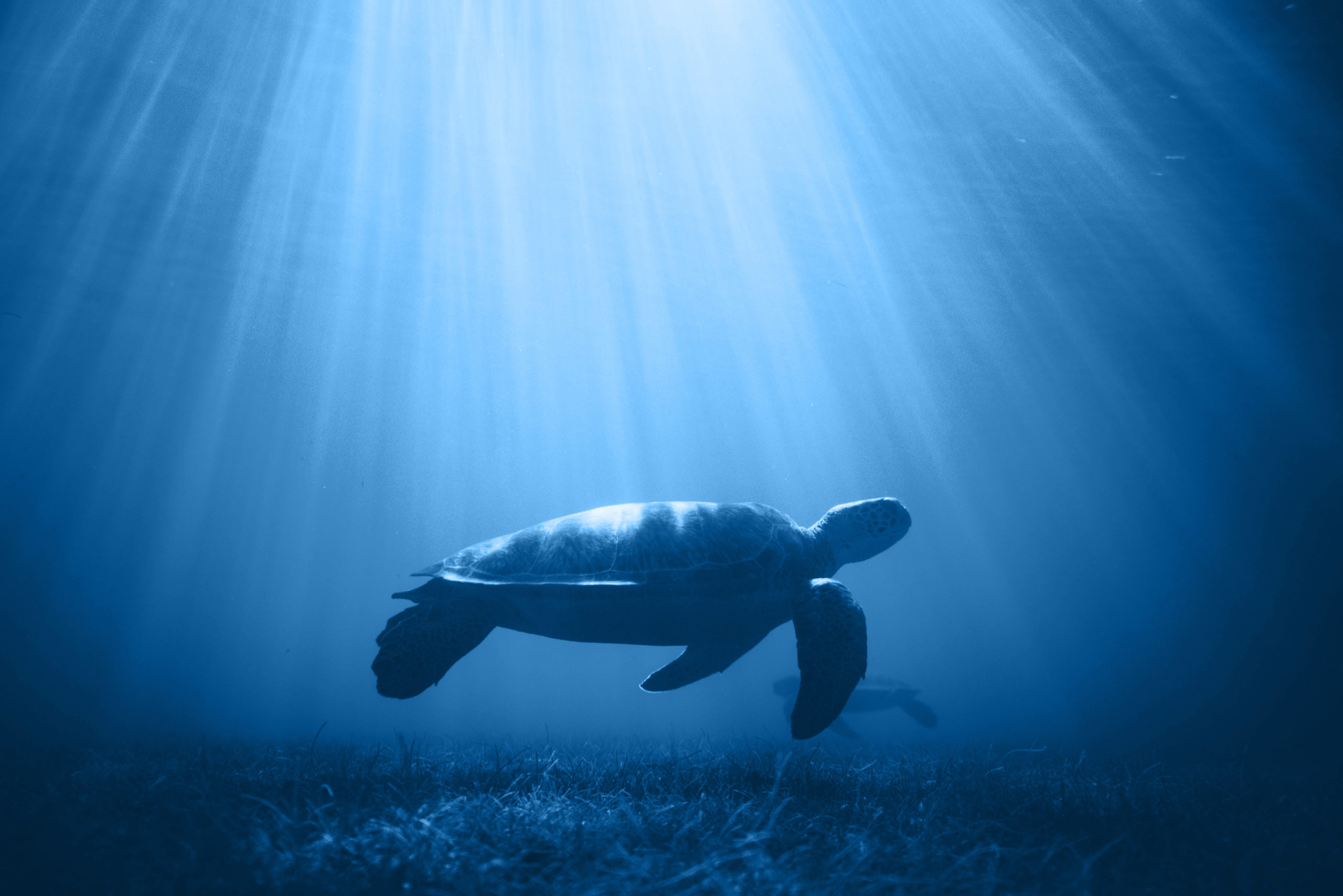
The conservation of endangered species is one of the lines in which entities such as the University of Barcelona are working, which has disseminated in an article the progress of the projects for the protection of the Audouin’s gull, as well as other seabirds. They have also initiated actions to raise awareness and improve knowledge of the loggerhead turtle within the framework of a project to evaluate the sporadic nesting of this species as a possible response to climate change.
Sea turtles are also the subject of study by the Chelonia Association. Specifically, he has announced the progress of the project to update the conservation status of the leatherback turtle on the Spanish coast, among other initiatives.
Among the most endangered species that inhabit our seas is the nacre, a unique mollusk in the Mediterranean. IMEDMAR-UCV has organized a digital meeting in which the status of this critically endangered species has been addressed. Another bivalve in serious condition is the ferruginal limpet. Ecologists in Action has launched an awareness campaign to better understand the species and protect it, an initiative that is developed through the Pleamar Program, co-financed by the EMFF.
Cetacean protection
Other organizations dedicate their efforts to the conservation of cetaceans. Thus, the Tursiops Association has broadcast live the start of the campaign to evaluate collisions in sperm whales using remote imaging. In the case of the BDRI Association for the study and conservation of marine biodiversity, it has convened a digital meeting to bring cetacean research closer to the public.
For its part, the University of Valencia has organised two meetings with researchers, focusing on the Mediterranean cetacean migration corridor, declared a Marine Protected Area, and shark sighting during confinement.
Other online seminars have also been scheduled today that have addressed the challenges and state of the marine environment in Spain. The sixth Ecofrikis gala of the oceans, promoted by the Oxygen Foundation, brings together more than a dozen experts in marine conservation.
In the case of Innoceana , it dedicates a digital meeting to how to save the sebadales from awareness and participation. These seagrass meadows characteristic of the Canary Islands play an important role in the ecosystem, capturing carbon and serving as food and shelter for a multitude of species. It also highlights the contribution of kelp forests in the Atlantic, the theme of the informative video of the University of A Coruña.
Other activities have focused on the threats to our seas. The Centre for Scientific Collections of the University of Almería has addressed the problem of plastics.
Some entities have provided informative materials, such as the Amphora Club of Underwater Activities, which offers educational resources such as ocean roulette.
In addition, today we participated in a meeting on the environment and the ocean, scheduled by AFundación. in which we will talk about the Pleamar Programme, our great commitment to fisheries and aquaculture sustainability and blue growth.
Upcoming Events
The CSIC’s Sea Observers platform, in alliance with LIFE INTEMARES, has organized a digital meeting on June 11, at 6:00 p.m., where the challenges that citizen science must assume to have an impact on marine conservation will be discussed.
Finally, the week ends with a live broadcast by Submon on the project that studies sperm whales and other species in the northern sector of the Mediterranean cetacean migration corridor, with the support of the Biodiversity Foundation. It will be on Friday 12 at 6:00 p.m.
