


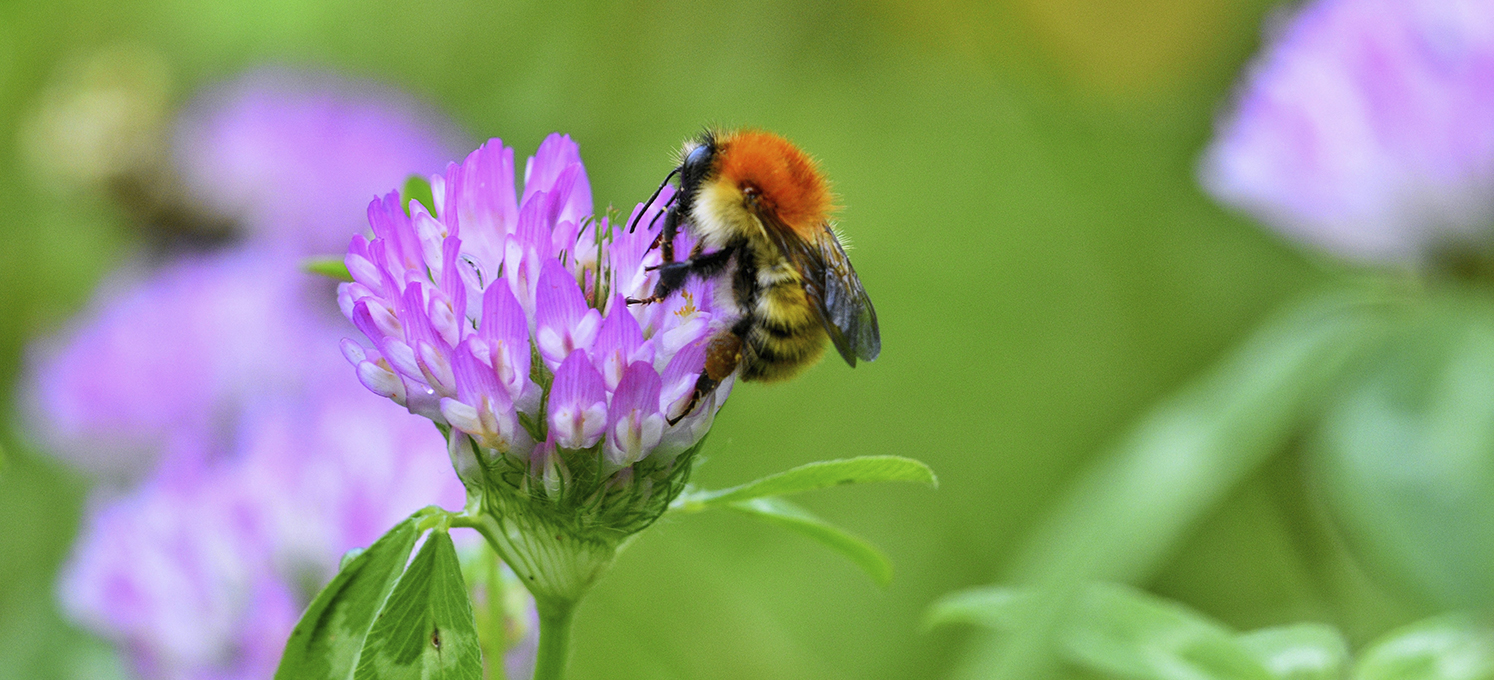


Today is World Bee Day, a date that seeks to raise awareness about the essential role that these insects and other pollinator species play for the health of people and the planet, as well as about the challenges and threats they face today.
Today is World Bee Day, a date that seeks to raise awareness about the essential role that these insects and other pollinator species play for the health of people and the planet, as well as about the challenges and threats they face today. This celebration was first proclaimed in 2018 by the United Nations General Assembly, which declared May 20 as an official world day.
In 2022, the Food and Agriculture Organization of the United Nations (FAO) promotes the slogan “Commitment to bees: let’s celebrate the diversity of bees and beekeeping systems”. This aims to focus attention on the role that different bee species and beekeeping systems play in improving food security and livelihoods, by providing a range of ecosystem products and services.
In this sense, according to FAO, some pollinators, including not only bees, but other invertebrates such as beetles, flies, butterflies and ants, but also vertebrates such as birds, bats or mice, account for 35% of global agricultural production. In addition, 75% of the world’s crops that produce fruits or seeds for human use as food depend, in part, on pollinators.
These species also contribute to the maintenance of ecological and economic balance and the sustenance of biodiversity, as they are responsible for pollination. This process is key to nature, as it helps produce a wide variety of plants, many of which are also food crops. FAO notes that an estimated 90 percent of flowering plants rely on pollination to reproduce, including 25,000 different species. They also contribute to maintaining forest ecosystems, as pollination helps trees regenerate, which in turn helps conserve forest biodiversity.
However, pollinators currently face different threats such as changes in land use, intensive agriculture and the widespread use of pesticides, environmental pollution, the presence of invasive alien species and the effects of climate change.
In this context, through the International Pollinator Initiative Action Plan 2018-2030, FAO and the Secretariat of the Convention on Biological Diversity, in collaboration with the Intergovernmental Platform on Biodiversity and Ecosystem Services (IPBES), are carrying out a number of coordinated actions around the world for the protection of pollinators and the promotion of the sustainable use of pollination services.
At the national level, Spain, as a member of the International Coalition for the Conservation of Pollinators in the context of the United Nations Convention on Biological Diversity, and within the framework of the European Union Initiative on Pollinators, has drawn up the National Strategy for the Conservation of Pollinators, adopted in 2020. The document presents a diagnosis of the situation and trends of pollinators and the main causes of their decline and incorporates objectives and measures in four major areas of action: promotion of favourable habitats; improving pollinator management and reducing risks from pests, pathogens and invasive species; reduction of the risk derived from the use of phytosanitary products; and conducting research that helps fill existing knowledge gaps and disseminate and facilitate access to information.
For its part, the Biodiversity Foundation of the Ministry for the Transition, Ecology and Demographic Challenge has contributed to improving the conservation status of different species of pollinators through various actions. Thus, actions have been promoted to recover the presence of wild beekeeping in ecosystems of great ecological value and activities have been promoted for the restoration of key ecosystems for these species in Natura 2000 Network areas. Likewise, initiatives have been developed to increase the connectivity of habitats favourable to pollinators and actions have been promoted to analyse strategies for adaptation to climate change and to know the vulnerability of these species to this threat. The generation of knowledge has also been promoted through the collection of information on the distribution of groups of invertebrates and awareness-raising and dissemination actions on entomology have been promoted to promote knowledge among the general public.
In this line, the Foundation has supported more than 17 projects dedicated to improving the conservation status of pollinator species, allocating an endowment of nearly 750,000 euros.
Thus, the project “Margins for biodiversity” carried out by the Union of Small Farmers and Ranchers, works on the design, identification and assessment of different mixtures of plant species to form communities on borders and promote biodiversity in agricultural landscapes. Different experts from sectors such as entomology, ornithology and agronomy dedicated to studying the proposed plant mixtures and their interaction with the populations of pollinating insects and birds in agricultural environments also collaborate in the initiative. With these actions, the project seeks to make agricultural activity and the services it provides compatible with the promotion and improvement of suitable habitats for pollinators.
For its part, the project “Sustainable development of the beekeeping sector” developed by the Official Chamber of Commerce of Cáceres within the framework of the call for aid of the Empleaverde Program works on the development of training actions for unemployed people. With this, it aims to reduce the impact of the effects derived from climate change on the beekeeping sector in Natura 2000 Network areas and Biosphere Reserves.
