


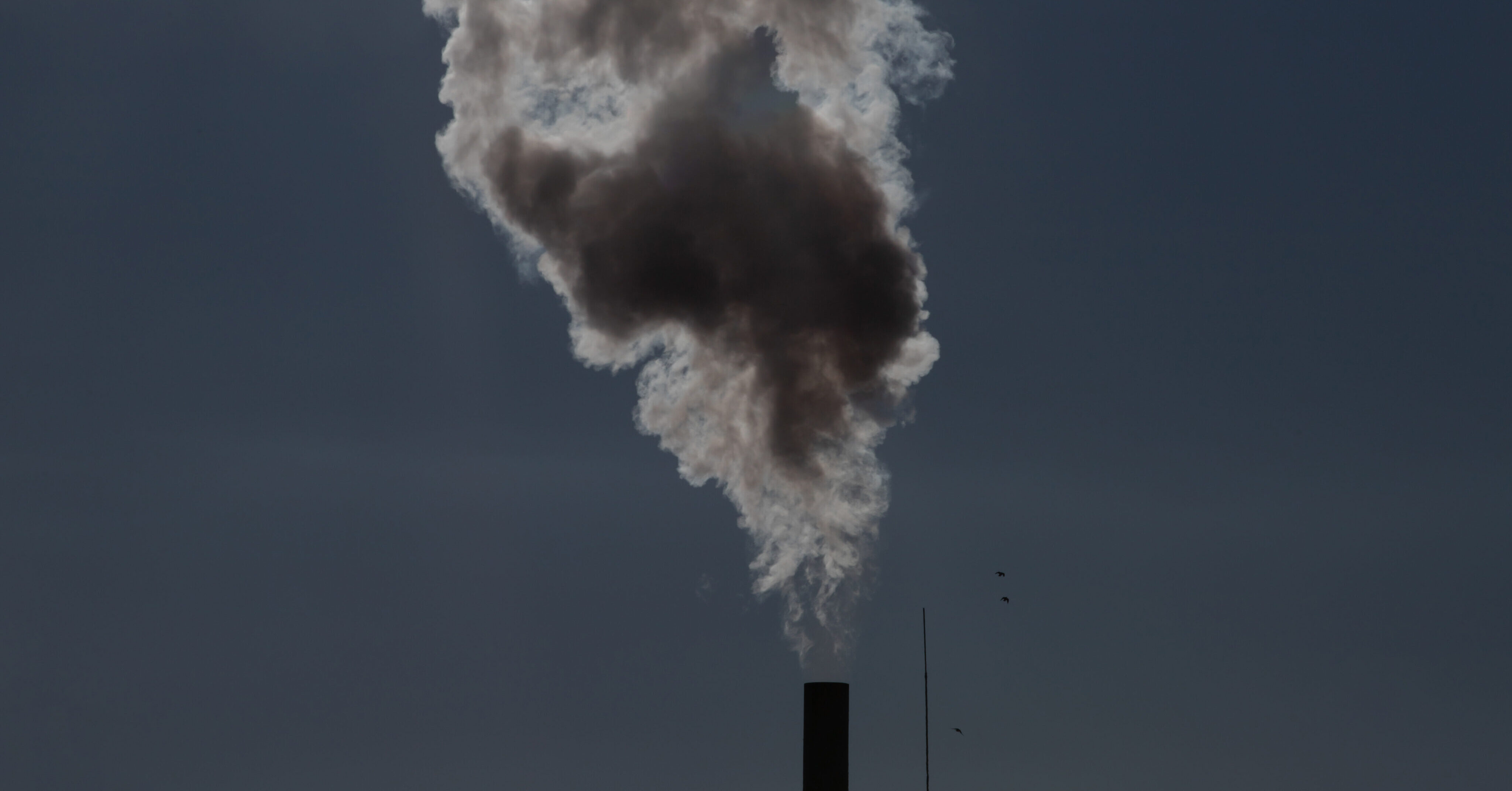


Every January 28, the World Day for the Reduction ofCO2 Emissions is commemorated, a date promoted by the United Nations (UN) to raise awareness of the urgency of decarbonizing our economies. This anniversary urges action against climate change to protect public health and biodiversity, under the approach of the “One Health“ strategy.
A DOUBLE EMERGENCY: CLIMATE AND PUBLIC HEALTH
The latest scientific evidence confirms the need to accelerate action. According to estimates from the latest Global Carbon Budget 2025 report, global fossilCO2 emissions reached a record 38.1 billion tonnes. Climate change is weakening the ability of natural sinks, soils, forests and oceans, to absorbCO2, accelerating accumulation in the atmosphere and aggravating the global emergency. The WHO estimates that air pollution is the cause of around seven million deaths a year worldwide.
For its part, the State of Global Air 2025 report places air pollution as the second risk factor for mortality globally. The study ratifies the link with chronic diseases and incorporates dementia for the first time. This health crisis hits the most vulnerable groups particularly hard, as in 2023 it caused the death of 170,000 children under five years of age and accounts for 90% of mortality in low- and middle-income nations. The dimension of the problem is universal, as less than 1% of the world’s population breathes air that meets the recommendations, while 36% reside in areas that exceed the most permissive thresholds established by the WHO.
CLIMATE ROADMAP: NATIONAL STRATEGY
At the national level, the Ministry for the Ecological Transition and the Demographic Challenge (MITECO) has the National Integrated Energy and Climate Plan (PNIEC) 2023-2030 which sets ambitious targets to reduce greenhouse gas emissions by 32% by 2030 compared to 1990. The roadmap transcends the energy transformation, stands as a lever for modernisation and public health that recognises the irreplaceable value of biodiversity. In this sense, the conservation of natural sinks such as forests and seas is decisive to absorb carbon and ensure the success of the transition.
In this context, the MITECO Biodiversity Foundation works to reverse the loss of biodiversity and promote the conservation and restoration of ecosystems and the sustainable use of natural resources. This requires promoting actions in several areas at the same time, to conserve healthy ecosystems, restore degraded ecosystems, promote a sustainable use of biodiversity and stop the causes of its deterioration.
Reducing carbon emissions is a shared commitment. From individual action to big public policies supported by science, every step counts to ensure a future where human prosperity doesn’t compromise the planet’s limits.
