


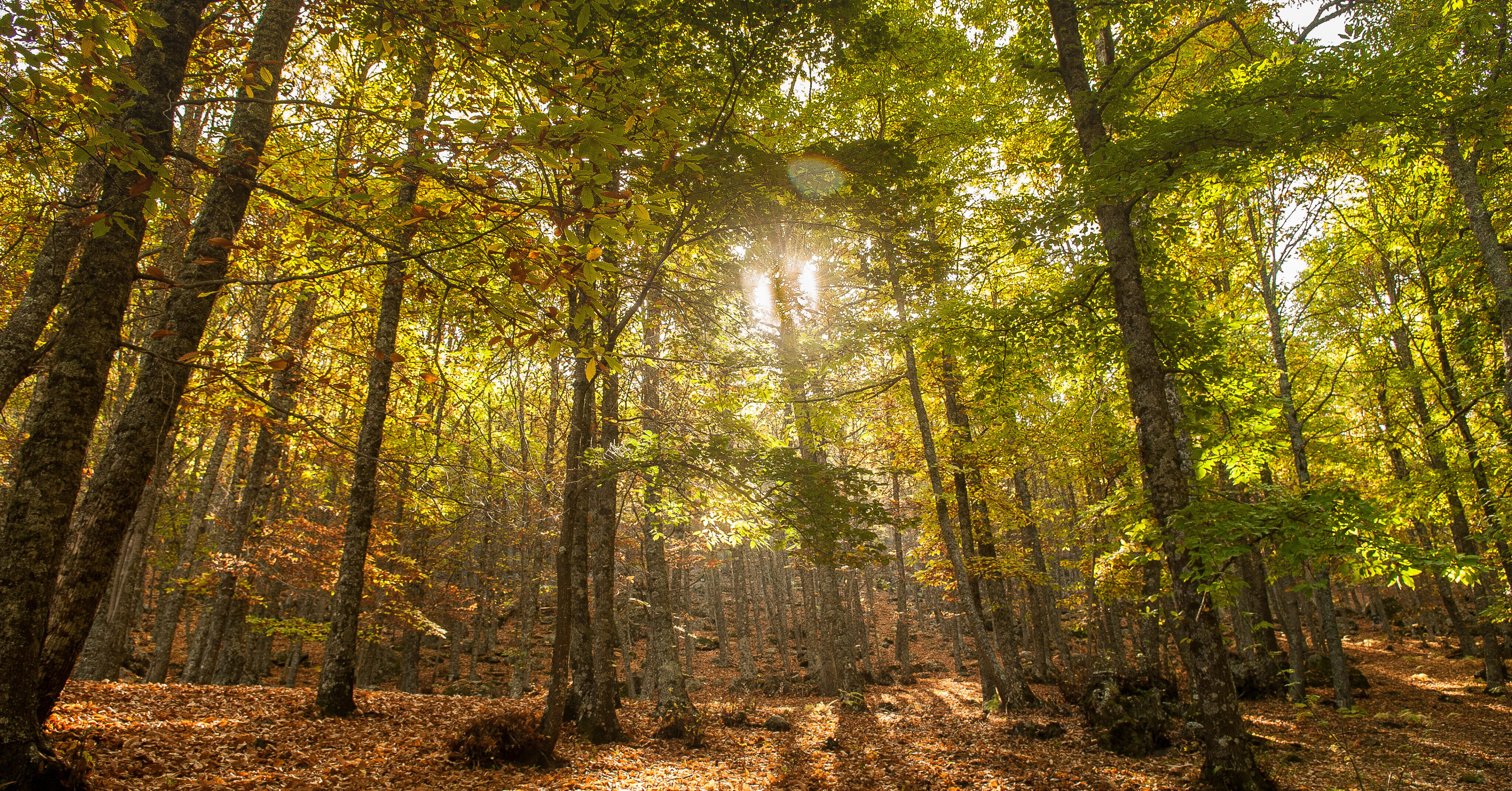


The International Day of Forests is commemorated every March 21, a date established by the United Nations General Assembly in 2012 to raise awareness of forest management. In this edition, the Food and Agriculture Organization of the United Nations (FAO) adopts the slogan “Forests and Economies”, a call to recognize forest stands as engines of growth.
The campaign highlights the sector’s ability to articulate a circular and resilient bioeconomy. Resources such as wood or cork drive value chains from sustainable construction to the pharmaceutical industry, foster technical innovation and create green jobs with Nature-Based Solutions. In addition, forested basins provide drinking water and reduce water treatment costs.
Forest masses cover 31% of the earth’s surface. Their ability to fix carbon and regulate temperature protects economies from climate disasters. FAO’s report “The Forest and Landscape Restoration Mechanism” reveals that global deforestation has slowed down in the last decade, although more than 2,000 million hectares of degraded land persist, equivalent to the size of South America.
Adding to the current situation is a future of greater pressure. Projections indicate an intensification of the use of these ecosystems, with an estimated increase in global demand for wood of up to 50% by mid-century. In addition, the report “The State of the World’s Forests” on the vulnerability of ecosystems warns that climate change acts as a threat multiplier and exacerbates stressors such as pests or forest fires.
In this scenario, forest fires emerge as one of the most critical risks. A report by the United Nations Environment Programme (UNEP) on “The growing threat of extraordinary forest fires” concludes that human activity causes at least 90% of fires and predictions suggest that extreme events will be 50% more frequent by the end of the century. In 2021, fires were responsible for nearly a quarter of global carbon dioxide emissions. To meet this challenge, experts call for an urgent strategic change to mitigate damage at the source, with priority given to prevention over mere emergency response.
SUSTAINABLE FOREST MANAGEMENT AS A DRIVER OF DEVELOPMENT
In Spain, forest ecosystems exceed 50 million hectares and cover 56% of the territory. This vast extension is vital to provide environmental services and generate rural wealth. However, the abandonment of traditional uses, such as grazing, causes the loss of habitats and multiplies the risk of large fires. To reverse this threat, sustainable forest management is indispensable. Its application guarantees the survival of wooded masses, ensures their multifunctionality and consolidates a key economic sector in the face of the demographic challenge and the climate emergency.
To improve their resilience, the Biodiversity Foundation of the Ministry for the Ecological Transition and the Demographic Challenge (MITECO) promotes various lines of action. In a first stage, it promoted 70 projects with the involvement of more than 300 entities thanks to 97 million euros from the Recovery, Transformation and Resilience Plan (RTRP), financed by the European Union – NextGenerationEU. Most of these funds supported sustainable forest management initiatives, in line with the Spanish Forest Strategy Horizon 2050 (EFE) and the Spanish Forest Plan 2022-2032 (PFE).
After its success, it is currently promoting a new line of aid co-financed by the European Regional Development Fund (ERDF). This recent call has an endowment of more than 42 million euros to support 27 transformative projects, designed to give continuity to actions on the territory and create green employment during the current decade.
These investments materialize in initiatives with a high territorial impact. An example of the PRTR line is the REVIERTE project, which has consolidated an innovative model of forest and hydrological management by valuing timber resources and recovering historical water systems. This work finds continuity through ERDF funding through the FORTALECE project. Coordinated again by the University of Granada, it promotes the bioeconomy with the improvement of green infrastructure and the restoration of multifunctional landscapes. Its objective is to increase biodiversity, promote adaptation to climate change, prevent fires and generate rural employment to combat the demographic challenge.
