



ESIL. Ecosystem Services Innovation Lab
FEDER
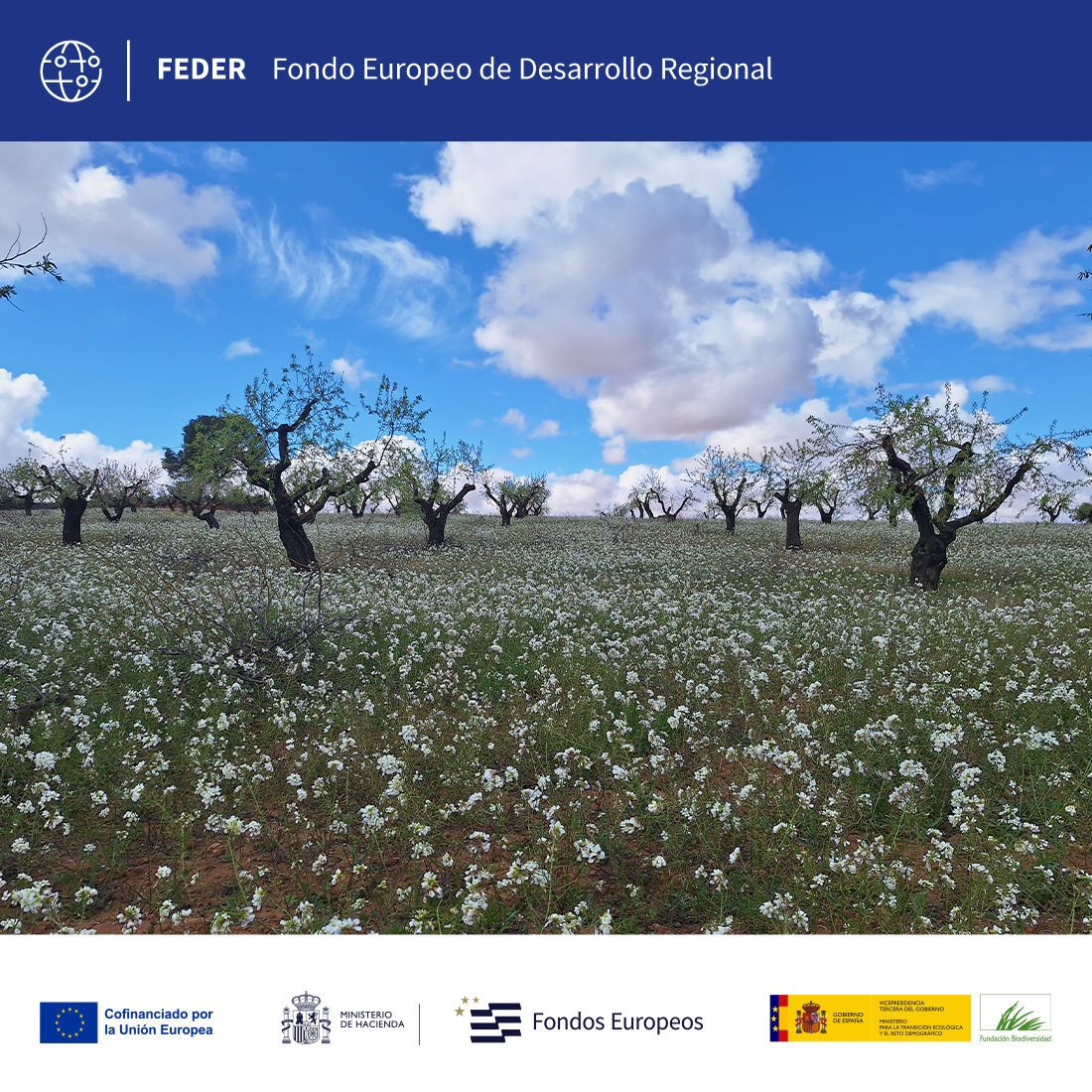
ESIL aims to promote an innovative and sustainable agricultural bioeconomy in Castilla-La Mancha through the identification, valuation and commercialization of ecosystem services. To this end, it will carry out actions to identify, quantify and value the ecosystem services (ES) generated by agricultural and livestock systems through, among other initiatives, a comprehensive entrepreneurship and agricultural model conversion program, which covers both new and existing projects. In addition, it will create a community of SE practices in Castilla-La Mancha. With all this, the aim is to achieve 10 functional indicators of soil EW, 5 identified sustainable practices and more than 20 agricultural farms, in addition to creating 70 lines of business and at least 60 new jobs (20 for young people and 40 for women).
Line of action:
Terrestrial ecosystemsStatus:
En ejecuciónLocation:
Castilla-La ManchaGeographic scope:
EspañaExecution date:
2026End date:
2028Duration:
18/02/2026 - 30/09/2028Total budget:
€1,999,734.08Amount of aid from the Biodiversity Foundation:
€1,699,773.97University of Castilla-La Mancha
Zaidín Experimental Station (EEZ)-CSIC
Impulse and Grow Association
It includes actions to identify, quantify and value the ecosystem services generated by sustainable agricultural and livestock systems in Castilla-La Mancha. It will focus especially on ecosystem services associated with soil, such as carbon fixation, water regulation, nutrient cycling, soil biodiversity and support for primary productivity. In addition, it presents a comprehensive program of entrepreneurship and reconversion of the agricultural model, focused on the valorization of ecosystem services (carbon, biodiversity, water, etc.) through a Living Lab approach. It covers both new projects and existing businesses, and involves farmers, ranchers and also consultants, certifiers, technology companies and other actors in the agri-environmental sector. It seeks to create a regional cluster of ecosystem services in Castilla-La Mancha, articulated as a community of practice promoted by the regional Alliance, its objective is to connect science, the agricultural sector, certifiers, companies obliged to decarbonize and administrations, combining knowledge transfer with regulatory compliance.
The general objective of the ESIL project is to promote an innovative and sustainable agricultural bioeconomy in Castilla-La Mancha through the identification, valuation and commercialization of ecosystem services (such as carbon, biodiversity or water), integrating science, innovation and entrepreneurship. To this end, it combines the generation of technical knowledge in pilot plots, the development of digital tools, the accompaniment of new rural business models, and the creation of a regional market for ecosystem services, thus contributing to the agroecological transition, decarbonisation and revitalisation of the rural environment.
The project is structured in five complementary actions that seek to transform the agricultural model of Castilla-La Mancha towards a more sustainable, innovative one focused on the valorisation of ecosystem services:
- Identification, quantification and valorization of agricultural ecosystem services.
- ESIL Innovation and Entrepreneurship Laboratory.
- Market strategies and study of commercialization of ecosystem services.
- Communication, visibility and community building.
- Project Coordination and Evaluation.
Among the results, 10 functional indicators of soil ecosystem services will be achieved, 5 identified sustainable practices, and more than 20 existing farms that will have begun a reconversion towards models with integration of ecosystem services, with participation in the ESIL entrepreneurship program. 8 farms will integrate the digital soil functionality tool, with operational geographic information systems. 70 business lines with an ecosystem approach will be created and at least 20 jobs for young people and 40 for women.

ESIL. Ecosystem Services Innovation Lab

 back to search