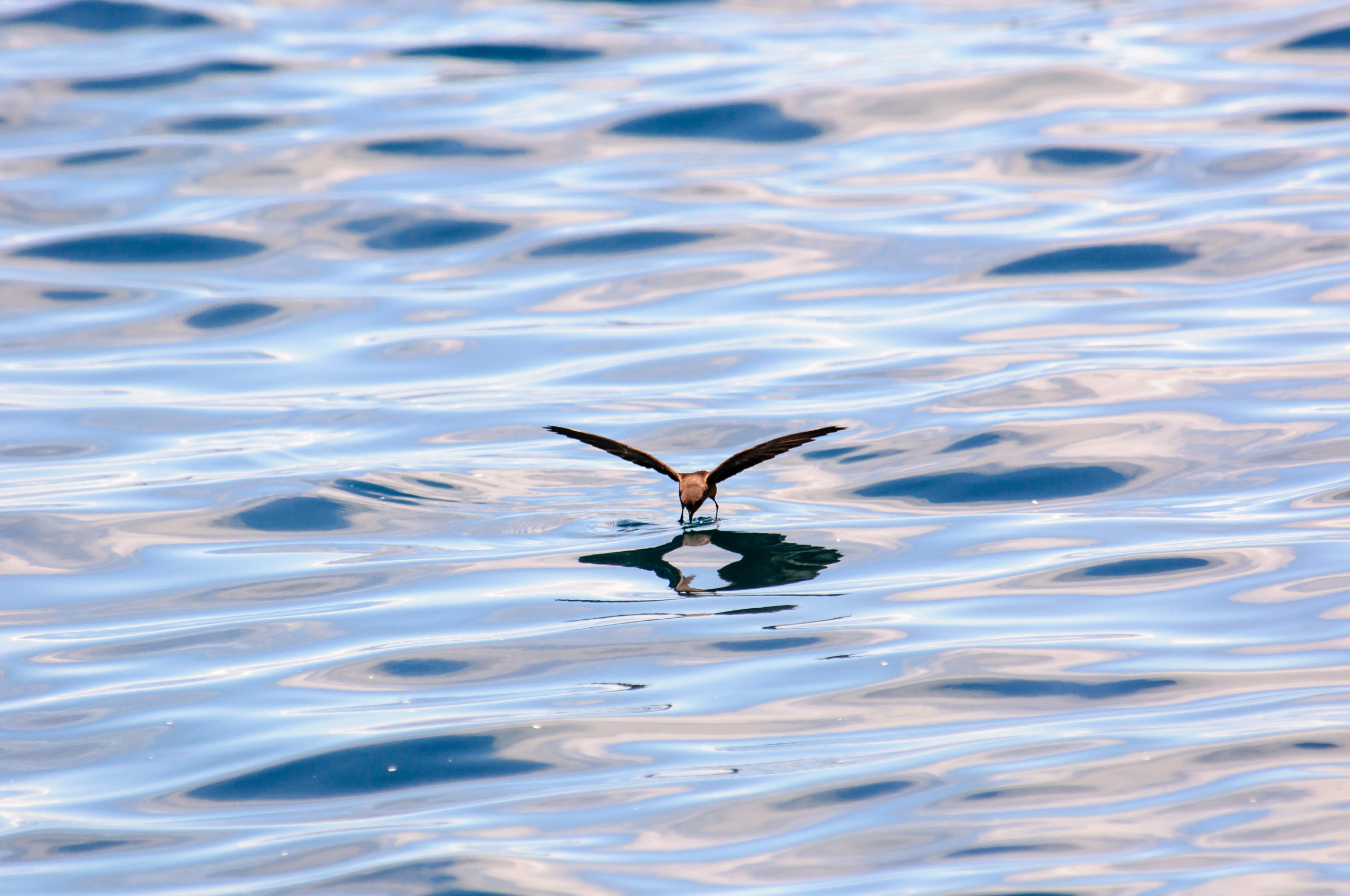


World Migratory Bird Day is celebrated every year on the second weekend of May. It is organized by the Convention on Migratory Species (CMS), African-Eurasian Waterbird Agreement (AEWA) and Environment for the Americas (EFTA), entities that work to strengthen the global recognition of migratory birds, and this year it is held under the slogan “protecting birds: being the solution to plastic pollution” and with special attention to the impact of plastic pollution on migratory birds and their habitats.
There are about 10,000 different species of birds in the world, 1,800 of them migratory, for which there are numerous conservation measures in Europe but with serious problems on the Asian continent or in Africa. The Biodiversity Foundation has been supporting its conservation for years, allocating more than 1.2 million euros to 20 projects related to migratory birds.
We are currently supporting the Global Nature Foundation in the restoration of habitat for the spring and autumn migration of the aquatic warbler (Acrocephalus paludicola) through the Iberian Peninsula with the LIFE Paludícola project. This initiative aims to stop the decline of populations and improve the conservation status of this species of bird, through actions of management and management of vegetation, purchase of peri-lagoon land and hydraulic works that improve flooding.
On the other hand, the Spanish National Research Council (CSIC) is developing a project that evaluates the productivity of the European turtle dove, a species in decline, in areas with variable hunting trends and pressure. It also studies the migratory routes in populations with a stable tendency, which pass through the Balearic archipelago avoiding stopovers in areas of strong hunting pressure.
Finally, we collaborate with CEIDA, the Center for University Extension and Environmental Dissemination of Galicia, to know the population parameters of breeding, wintering and migrating seabirds in the Ártabro Gulf. The project will allow us to know the number of breeding pairs of European shag, European storm petrel, yellow-legged gull and other species detected that may be of interest. The Balearic shearwater quota and the percentage of the European and global population of seabirds included in the Directive on migratory birds in the Arctic Gulf will also be estimated.