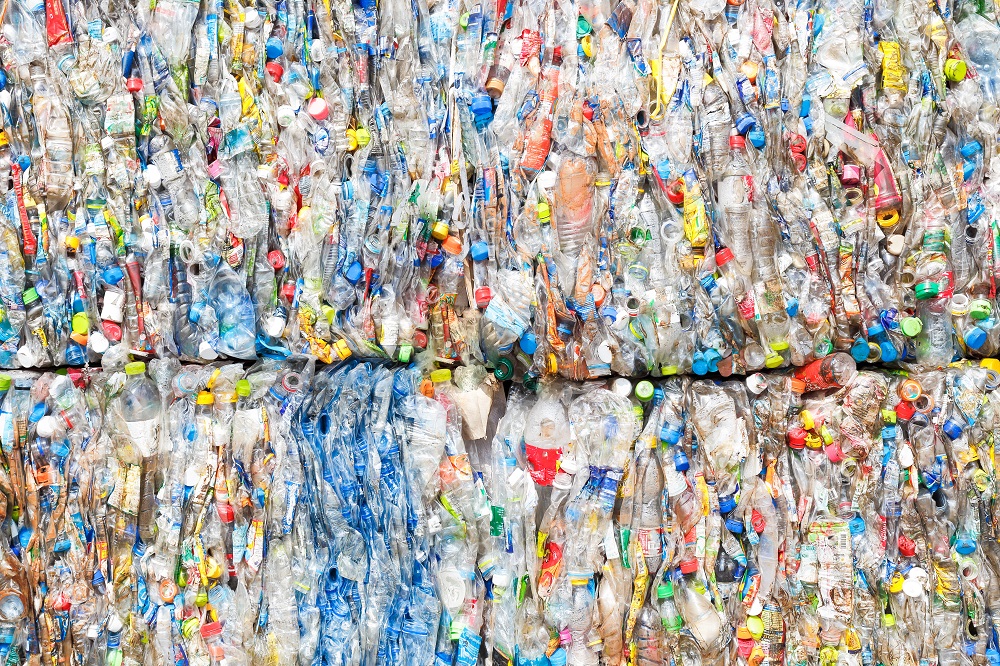


The International Labour Organisation (ILO) forecasts that by 2030 2 million jobs related to the circular economy will be created.
The forecasts of the International Labour Organization (ILO), which defends the urgent transition to a more sustainable production model, are that by 2030 2 million jobs related to the circular economy will be created. In fact, the sector is in luck as banks and national promotional institutions of the European Union (EU) and the European Investment Bank (EIB) have reached an agreement to allocate a minimum of 10,000 million euros until 2023 to promote and encourage circularity and innovation in business processes.
We must not forget that the circular economy aims to provide a value chain to reduce waste, creating closed processes that reintroduce it with new functionalities. In this sense, within the Emprendeverde Network, entrepreneurs apply new systems and business models to overcome this environmental impact, thus promoting green employment.
Lucirmás is an atelier that creates design pieces with sustainable glass. In this way, Lucía Bruni has extended the useful life of a material by integrating processes to reduce the consumption of energy, water, materials and processes. “We use only packaging made with recyclable material and we designed it thinking about how to save transport costs,” he says.
Following a similar line, Gomavial is responsible for recovering and redesigning, from innovative manufacturing processes, tires that are going to be discarded from other lives, turning them into footwear and accessories, signage, bullet guards, among others.
Using cardboard as the main element, Cartonlab has designed a manufacturing process for different audiences: companies and individuals. From 70% recycled materials, without glues, they produce a versatile catalogue of furniture, decoration, children’s games, exhibition setups, ephemeral architecture, scenography and interior design, which once their useful life is completed are 100% recyclable.
3D printing is also a niche market in the circular economy. B-PET Filament is dedicated to this activity, which, as Francisco Callao, manager for Europe, explains, “creates 3D printing filament, from 100% recycled PET containers”. To do this, they buy the material from different companies that recycle PET containers and transform them into recycled raw material.
Also based on the recycling of PET containers and with the vision of converting waste into resources, we find Eko-REC, whose activity is based on the conversion of PET bottles into PET sheets that are then used in the food sector and into polyester fibre for the automotive and textile sectors.
For his part, Zicla considered that the sustainable development of cities is important, turning waste into part of the furniture and traffic material. Since 2009, thanks to their initiative, they have managed to avoid more than 4,900 tonnes of CO2 (the equivalent of a car circling the earth 669 times), thanks to the collection of some 2,670 tonnes of plastic waste from consumption and industrial processes.
In the field of the circular economy, the creative and design part is essential, and that is the starting point of Inédit, which has a multidisciplinary team specialized in innovation and environmental strategies, which guide others to redesign their processes to achieve circularity and environmental respect.
These are some of the alternatives that have managed to give a more prosperous and functional life to materials that at first glance end up in landfills before their time.
Do you want to start a circular economy?
If you are thinking of becoming an entrepreneur, the Emprendeverde Network will launch, in the coming months, a training and support program to promote the creation of new companies through the circular economy.
Check our website for more information. You can also follow us on Twitter @emprendeverde, where we keep you informed of all the news and actions.