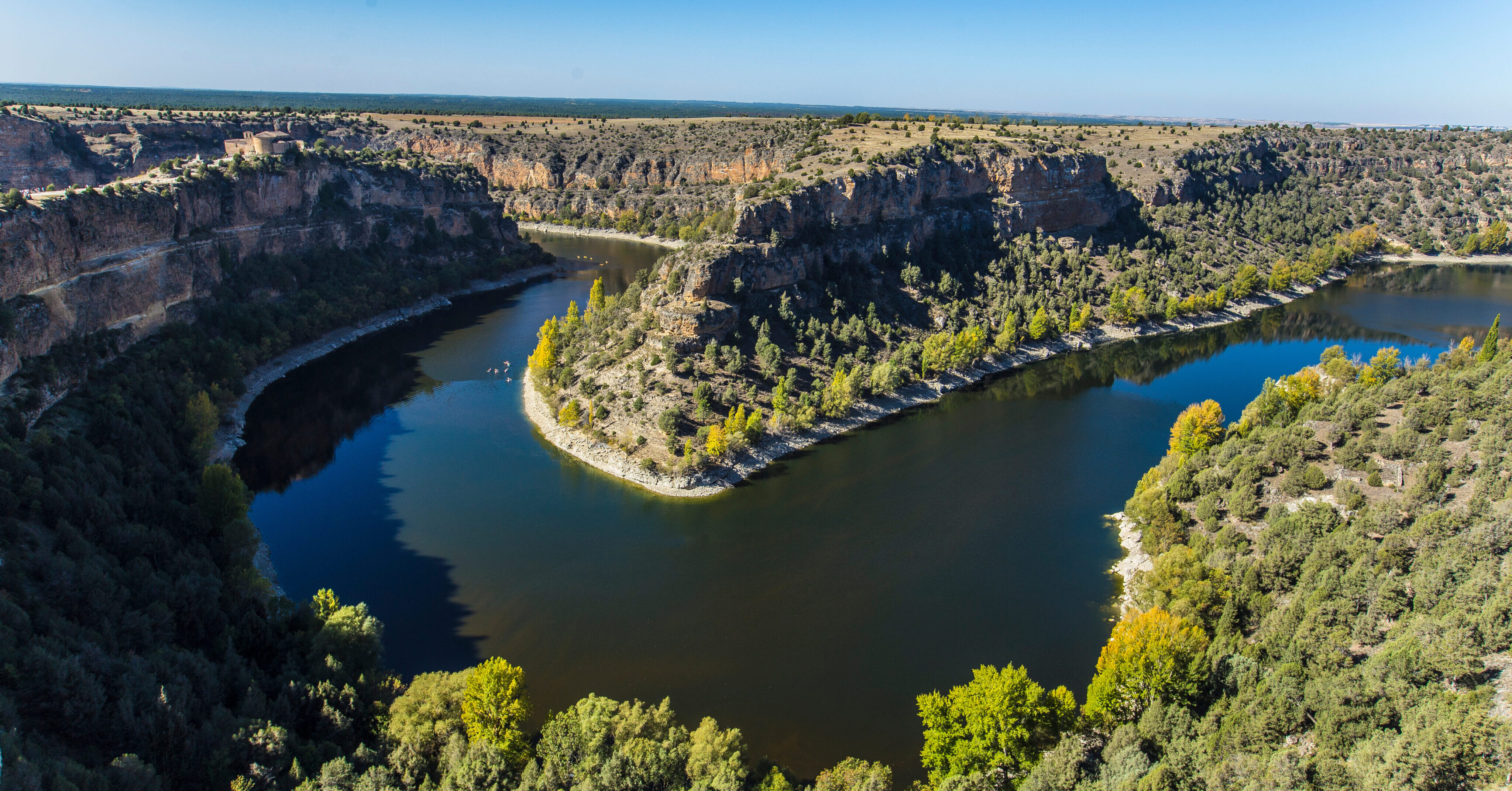


Every March 14, the International Day of Action for Rivers is commemorated, a date promoted by the International Organization of Rivers. This year, the date adopts the slogan “Protect rivers, protect people“. The message underscores an undeniable reality, that healthy, barrier-free river ecosystems are critical to the planet, provide fresh water, sustain enormous biodiversity, and regulate the global climate. In addition, these channels are a key element in the hydrological cycle, reducing the risks of droughts and floods, recharging aquifers and acting as vital biological corridors.
Despite their enormous value, basins around the world face severe threats from fragmentation, pollution, and the climate crisis. Putting river ecosystems at risk is tantamount to compromising our future. Access to a clean water supply and healthy environments is a human right that connects the whole of society.
According to the European Environment Agency’s “State of Water in Europe” report , water security is facing critical challenges. Water stress affects 30% of the population and 20% of the continental territory annually. In addition, only 37% of surface water reaches a good ecological status, with pollution and climate change as the main pressures. Reversing this vulnerability requires reducing consumption and implementing Nature-based Solutions to achieve true resilience.
COMMITMENT TO RIVER RENATURATION
Urban rivers are conceived as excellent natural resources for the city and, in many cases, form the backbone of its green infrastructure. For this reason, the Biodiversity Foundation of the Ministry for Ecological Transition and the Demographic Challenge (MITECO) has been working for years to protect and restore the rivers and river ecosystems of our country’s cities. One of the main contributions has been the call for aid for the restoration of river ecosystems and the reduction of flood risk in Spanish urban environments, within the framework of the Recovery, Transformation and Resilience Plan (RTRP), financed by the European Union – NextGenerationEU, endowed with almost 74 million euros.
Thanks to it , 36 projects were launched, which are close to completion, with key actions for river renaturation, mitigation and protection against floods. These actions are essential to increase biodiversity in urban environments and guarantee their conservation.
One of these projects is RestaurAlcúdia, led by the Alcúdia City Council, whose objective has focused on the restoration and renaturation of the wetlands of the ecological corridor of the Bay of Alcúdia (Maristany and Estany des Ponts). With a budget of more than 3 million euros, this project has contributed to improving the state of bodies of water by contributing to environmental recovery, and has valued natural spaces as resources for the local population and tourism.
Also noteworthy is Río-Rúa, coordinated by the City Council of Medina de Rioseco, which has worked on the restoration of the Sequillo River as it passes through the city. Endowed with almost 1.5 million euros, it has promoted the restoration and integration of the river’s river ecosystem as it passes through the Historic Complex of Medina de Rioseco, to improve urban resilience, reduce its vulnerability to global change through Nature-based Solutions and increase the city’s capacities to mitigate the risk of flooding.
For its part, the Provincial Council of Granada, with a grant of more than half a million euros, has carried out the project Custodia los ríos de Granada with the aim of supporting the small municipalities of the province of Granada in the ecological restoration of the urban sections of their river ecosystems.
These actions are part of the firm commitment to the renaturation of rivers in urban and peri-urban environments in Spain, due to the benefits it brings and because it is included in the strategies that guide the action of the Ministry for the Ecological Transition and the Demographic Challenge. The National Strategy for Green Infrastructure and Connectivity and Ecological Restoration (IVCRE) stands out. This plan lays the foundations for establishing a new model of territorial planning and management, designed to integrate economic and social development, the guarantee of the maintenance of ecosystem services and the conservation of biodiversity. Another fundamental initiative is the National River Restoration Strategy, which is of vital importance to recover the ecological balance of the riverbeds and prevent the risk of flooding.