

Within the framework of the LIFE SHARA project to boost adaptation to climate change, we have published a series entitled ‘Sharing Solutions. to disseminate good practices in the various sectors of society.
The aim of this series is to Disseminate real experiences that illustrate both the impact and adaptation to climate change in different geographical areas, living environments and productive sectors. These are dissemination and awareness-raising resources that aim to be useful for any entity, institution or person that promotes actions against climate change. Each of the initiatives is presented in three formats (a video interview-report, a written report and an exhibition panel).
In the narrative on health and climate change, Julio Díaz Jiménez, head of the Department of Epidemiology and Biostatistics of the National School of Health (Carlos III Health Institute) tells us how to prevent risks in heat and cold waves.
Climate change is causing risks to human health. Among them, respiratory problems related to air quality, since pollutants are less dispersed in anticyclonic periods and, therefore, are concentrated in greater quantities in cities and their surroundings. New diseases are also beginning to appear, such as chikungunya, transmitted by vector species such as the tiger mosquito, which are adapting to living in these latitudes thanks to warmer temperatures.
In addition, we will have to get used to living with more extreme temperatures and waves of both heat and cold, which will be more frequent. This leads to cardiovascular and respiratory health problems, especially for the most vulnerable people, such as the elderly.
Heat waves can lead to higher mortality rates. Thus, in Spain, the alert in this matter was triggered in 2003, when a particularly strong wave caused an increase in mortality of more than 6,000 people. This fact led to the implementation of annual prevention plans to reduce the effects associated with extreme temperatures and to coordinate the Administrations involved. In addition, a series of healthier habits related to heat have been spreading among the population, which constitute real strategies for adaptation to climate change. Among them, avoid exertion in the central hours of the day, drink plenty and take care of hydration, do not submit for long periods to very high temperatures, look for cool places and shade outside. As a society we are acquiring what is called a ‘culture of heat’, which is reducing its impact.
However, it is also necessary to implement “city strategies”: changes in architecture and urban planning that allow us to inhabit both better conditioned and more heat-prepared homes and cooler and greener public spaces. It is the way to combat the ‘thermal island’ effect, which causes cities to exceed the temperature of their nearby environment by 5° or more in summer.
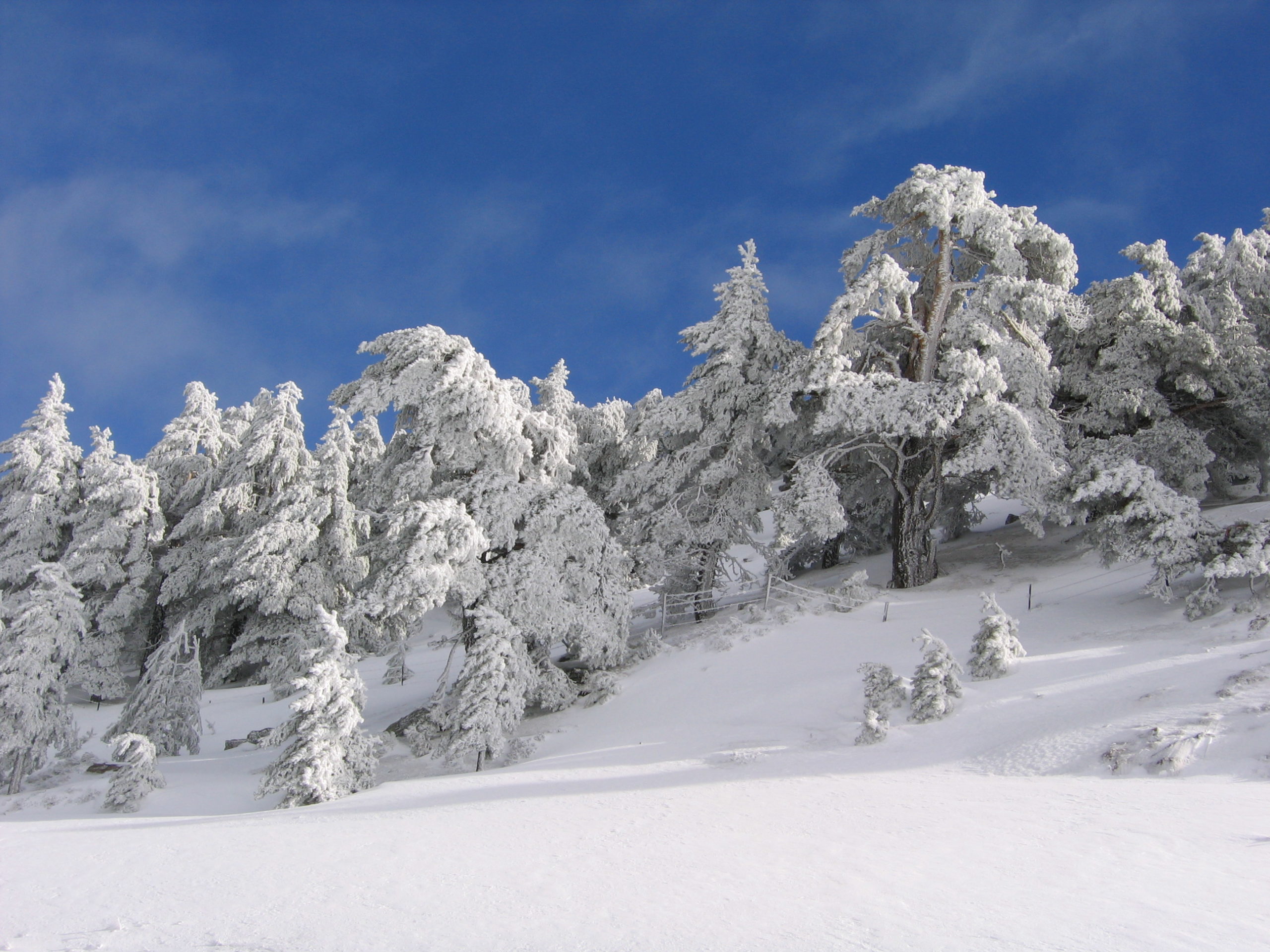
Finally, contrary to what is commonly thought, climate change is not only going to bring us intense heat waves, but also (perhaps not so frequently) severe winter cold waves. The cause is the weakening of the polar jet stream, which facilitates the injection of pockets of very cold air from northern areas – including storms and storms – towards usually temperate latitudes. The health risks and mortality due to cold are even greater than from heat. In this case, the problems also particularly affect the elderly, the excluded, poorest or most exposed groups and people with previous health problems.
There are still not enough plans to prevent health risks due to cold waves. They must begin to become widespread and contemplate both an increase in hospital emergency care and help for people in situations of energy poverty and those whose living conditions are very precarious.
Do you want to know more about our climate change adaptation projects?
Check our website http://www.lifeshara.com/ to access all the information about the project. You can also follow us on Twitter @FBiodiversidad where through the hashtags #LIFESHARA #AdaptacionCC and #CambioClimatico, we keep you informed of all the news and actions.
To keep up to date with the latest developments in the project, we recommend that you subscribe to the AdapteCCa newsletter (Platform for the exchange and consultation of information on adaptation to climate change in Spain), or subscribe to our newsletter with the most outstanding news and developments on adaptation to climate change.