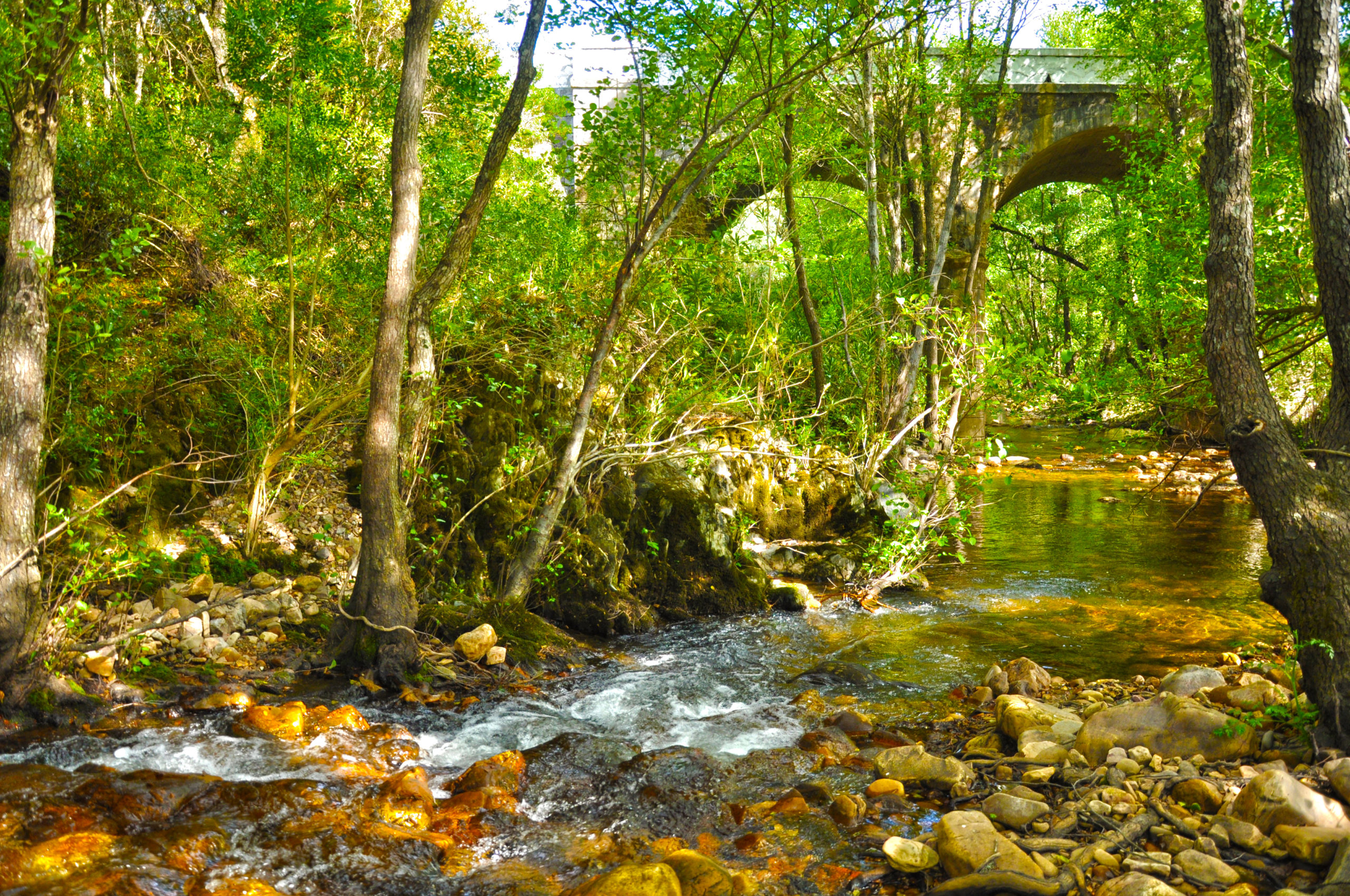


This year’s World Water Day focuses on the binomial water and climate change, and how the two are intrinsically linked.
The 1992 United Nations Conference on Environment and Development proposed declaring the commemoration of World Water Day, and the General Assembly decided to designate March 22 for this celebration.
This day commemorates the relevance of this essential liquid and aims to raise awareness of the global water crisis and the need to seek measures to address it so that we achieve Sustainable Development Goal 6: Water and sanitation for all by 2030.
This year’s World Water Day focuses on the binomial water and climate change, and how the two are intrinsically linked. It also seeks to show how our use of water can help reduce floods, droughts, scarcity, pollution, as well as adapt to this phenomenon.
Water can help combat climate change. If we use water more efficiently, we will reduce greenhouse gases. Also, if we limit the increase in global warming to 1.5°C above pre-industrial levels, we could reduce climate-induced drought by up to 50%.
For all these reasons, from the Biodiversity Foundation we join the celebration of this anniversary, since in our journey, through calls for aid, we have supported more than 90 projects related to this theme for which we have allocated more than 4 million euros.
Currently, the New Water Culture Foundation has our collaboration in the project “Ecological flows: advances in knowledge and adaptive proposals to climate change in Spanish basins”. Given that river ecosystems are key to adaptation to climate change, as well as vulnerable, and ecological flows contribute to good status, biodiversity conservation and resilience to climate change, compliance with the components of environmental flows (minimum, maximum, seasonality, floods and rates of change) is being evaluated in order to make a proposal for monitoring plans.
On the other hand, Universitat Politècnica de València is assessing the risks associated with changes in hydrological regimes and in the availability of water in aquifers for urban supplies and irrigation, the risks arising from the increase in irrigation needs and their effect on agricultural production, the effect on hydroelectric production and the risks on ecosystems in relation to ecological flows in rivers and contributions from water to wetlands.
Climate change, economic development and population growth will cause global water demand to exceed available supply by 40% by 2030, reducing GDP by up to 6% in southern European basins. Mitigating the impacts of climate change and water scarcity will require Transformative Adaptation Policies (PAT) in water governance, particularly in irrigation, the largest user (80%), in these challenges that the University of Salamanca is working on with its project “Transformative Adaptation to Climate Change in irrigation”.