




The area located to the north of the Asturian coast is home to a great wealth of biodiversity with vulnerable species, such as corals and sponges.
The third oceanographic campaign of the LIFE IP INTEMARES project has studied the seabed of the Avilés canyon, an area located to the north of the Asturian coast, which is home to a great wealth of biodiversity with vulnerable species, such as corals and sponges.
In this new expedition, researchers from the Spanish Institute of Oceanography have collected data that will contribute to improving scientific knowledge on the effects of bottom fishing activities on habitats in this marine area of the Natura 2000 Network. The information obtained will be used to develop the future management plan for the area, based on a solid scientific basis.
This study complements the research carried out within the framework of the previous LIFE + INDEMARES project (2009-2014), in which the Avilés canyon was explored, together with El Corviro and La Gaviera, a system of underwater canyons in which more than 1,300 marine species have been inventoried.
On this occasion, the continental shelf located in front of Cabo Peñas has been studied, an area with a large rocky surface where the presence of bottom habitats formed by the hexacoral Dendrophyllia cornigera and the sponge Phakellia spp. was detected during the LIFE+ INDEMARES project. In the current campaign, large areas with the presence of these species have been found.
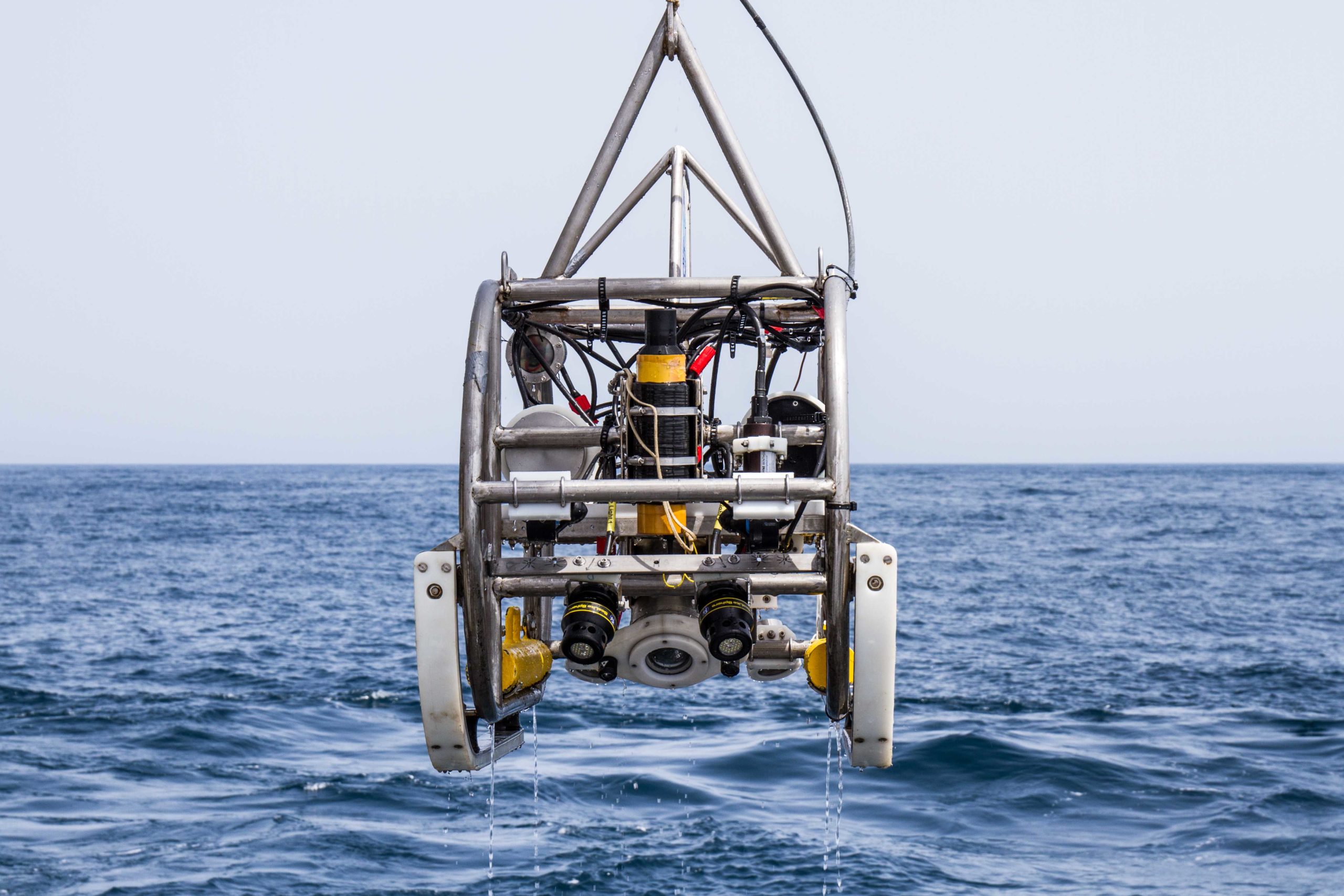
Researchers have explored various areas of this area with cutting-edge technology. The data collected will be analysed in the coming months to assess the interactions of fishing gear such as longline and gillnet with habitats in this area.
This study is part of the action of the LIFE IP INTEMARES project aimed at diagnosing the impact of human activities and climate change on the marine Natura 2000 Network and proposing measures to control, eliminate and mitigate its effects.
TheBiodiversity Foundation of the Ministry for Ecological Transition coordinates this project, in which the General Directorate of Sustainability of the Coast and the Sea of the ministry itself, the IEO, the Spanish Fisheries Confederation, SEO/BirdLife and WWF-Spain participate as partners. It has the financial contribution of the European Union’s LIFE programme, among other sources of funding.
Do you want to know more about the oceanographic campaigns of LIFE IP INTEMARES?
You can follow our twitter @FBiodiversidad and through the hashtag #Intemares, we will keep you informad@ of all the news and performances. Shortly, in addition, all the information about the project will be available on a new website on which we are working. And to learn about the progress of what is the largest marine conservation project in Europe, we invite you to subscribe to our newsletter through the following link.
