




On March 22 we celebrate World Water Day, proclaimed in 1992 by the United Nations (UN). The objective of this event is to raise awareness about the 2,000 million people around the world who do not have access to drinking water, in addition to raising awareness of the need to seek measures to achieve the sixth of the 17 Sustainable Development Goals planned by the UN: to ensure the availability of water and its sustainable management and sanitation for all.
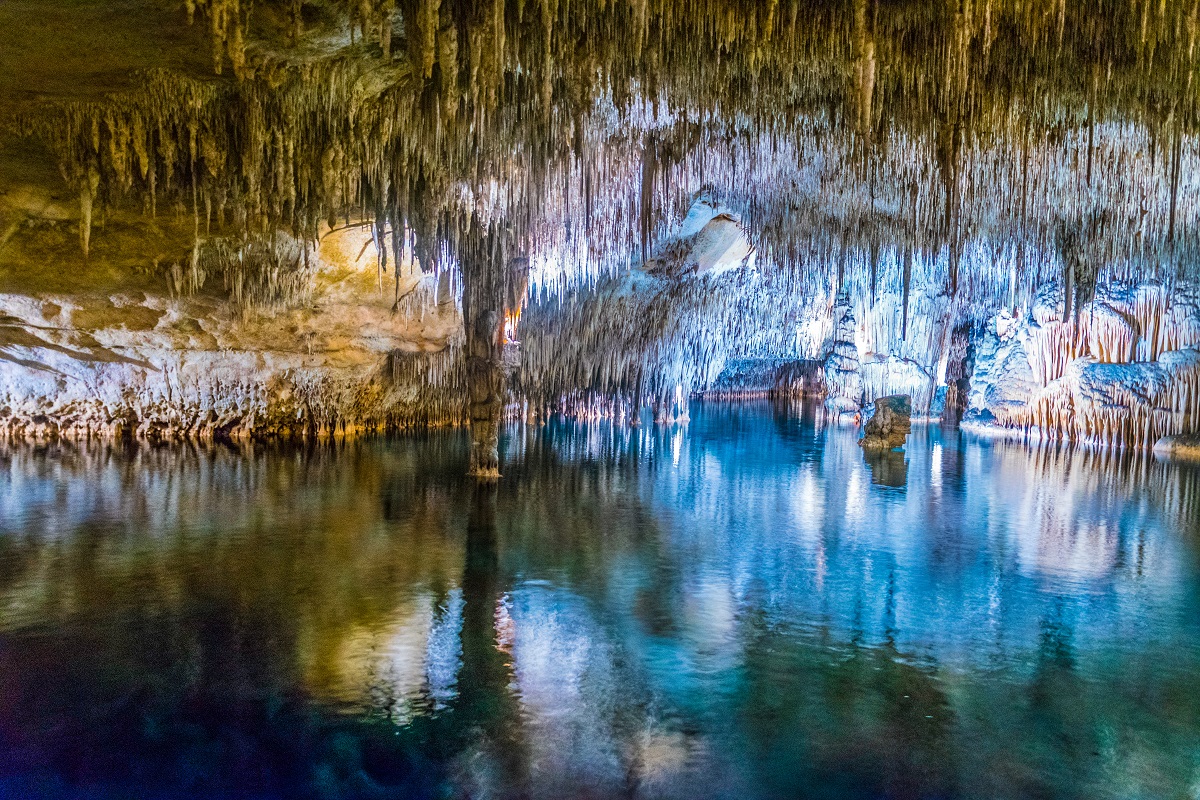
This year, the United Nations focuses on groundwater, under the slogan “Groundwater, making the invisible visible”. These are waters that are “unseen” because they flow underground, in aquifers, but they constitute a fundamental biological resource because they feed rivers, springs, lakes and wetlands and because they are the basis of the supply of drinking water. In addition, groundwater is decisive for the proper functioning of ecosystems and constitutes almost the only source of water in the driest areas of the planet.
According to the UN, a large part of the water used for consumption, sanitation systems, agriculture, industry and food production and industrial work comes directly from groundwater and around 40% of the water used for irrigation comes from aquifers. On the other hand, almost all of the planet’s liquid freshwater (comprising only 2.5% of the Earth’s total water) is groundwater, so life would not be possible without groundwater.
For the United Nations, freshwater bodies, and especially groundwater, will play a fundamental role in adapting to climate change, hence it is crucial to preserve their good condition. In this line, the UN-WATER Policy Report on Climate Change and Water warns that freshwater in general is threatened by the global climate crisis, which exacerbates existing conditions and makes it increasingly difficult to manage and project the availability and quality of water in the future. Climate change increases the frequency of extreme weather events such as floods or droughts, negatively affecting freshwater ecosystems by altering river flows and the quality of drinking water.
In the specific case of groundwater, the UN warns that it also suffers from the threat of overexploitation, which occurs when more water is extracted from aquifers than is recharged by rain and snow. The consequences of such overexploitation are soil instability, the intrusion of seawater underground into coastal areas and, if the problem is perpetuated, even the depletion of the resource. Finally, the United Nations calls for addressing the problem of pollution, a consequence of the increase in agricultural activities, urbanization and population growth, in addition to climate change.
The Biodiversity Foundation of the Ministry for Ecological Transition and Demographic Challenge (MITECO) works on projects linked to the sustainable use of water bodies and the restoration of their ecosystems. Through its calls for grants, various actions have been carried out in this regard, such as the evaluation of adaptation measures in water management and hydrological planning to mitigate the effects of climate change. Actions have also been developed aimed at the knowledge and protection of aquatic ecosystems, aimed in many cases at the conservation or recovery of populations of specific species such as the cavilat (Cottus hispaniolensis), a type of fish declared in danger of extinction.
With regard to aquifers, some initiatives have contributed to improving the state of aquifers in a context of climate change and to assessing the risks associated with changes in hydrological regimes and the availability of water in aquifers for urban supply and irrigation. The projects have also addressed the risks arising from increased irrigation needs and their effect on agricultural production, the consequences on hydropower production, and threats to ecosystems in relation to the ecological flows of rivers and water inputs to wetlands.
