


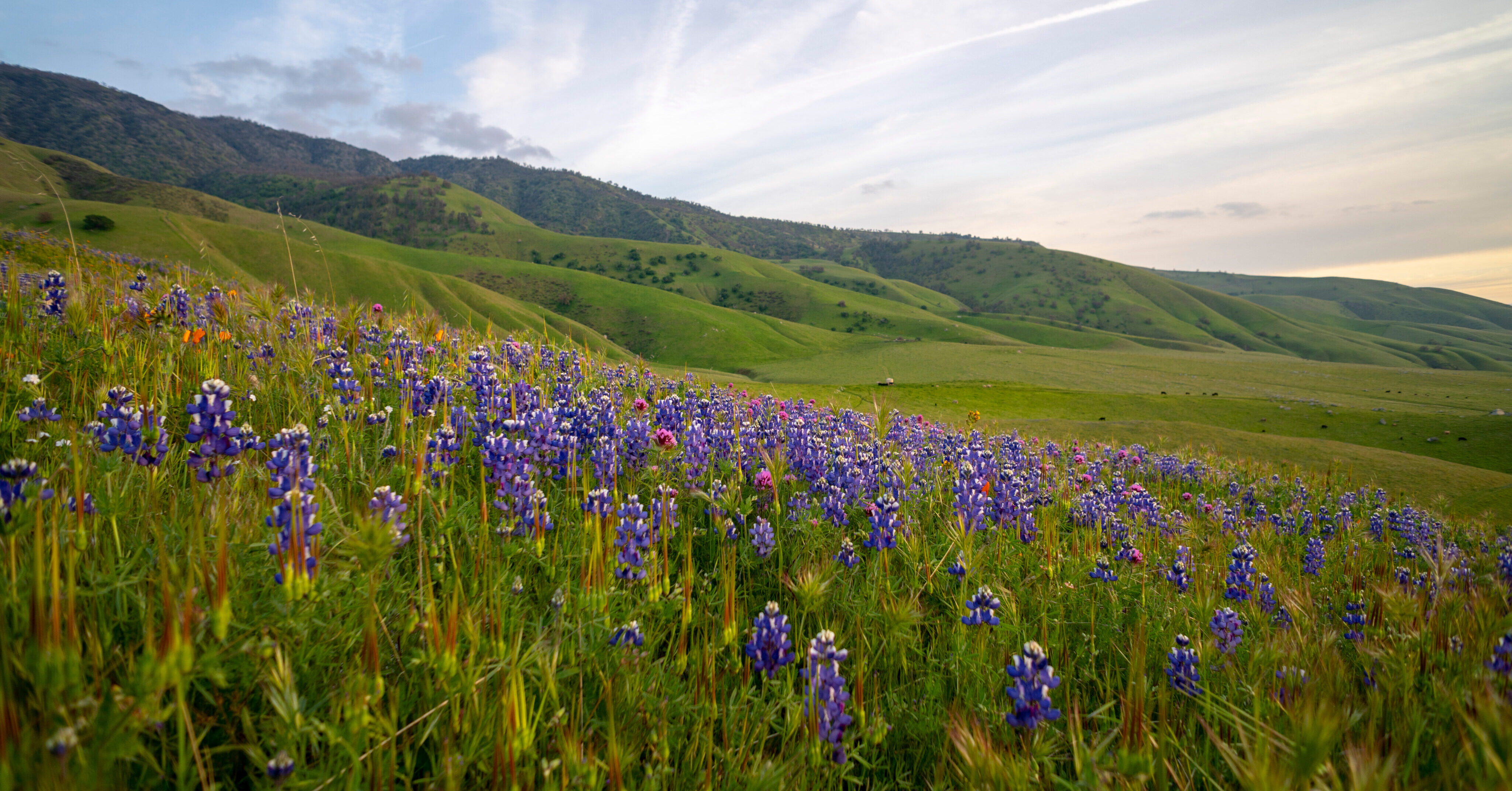


World Wildlife Day is celebrated every March 3 with the dual objective of making visible the benefits of biodiversity and combating the threats that cause species decline. The United Nations General Assembly established this day in commemoration of the signing of the CITES Convention in 1973, a historic agreement that regulates international trade in almost 41,000 species of animals and plants. This instrument is essential to ensure that the exchange of natural resources is legal, sustainable and traceable. Likewise, its application seeks that the daily use of biodiversity strengthens the livelihoods of local communities and national economies, in line with the Sustainable Development Goals to achieve a healthy and prosperous planet.
A VITAL RESOURCE UNDER THREAT
The slogan chosen for this year, “Medicinal and aromatic plants: conserving health, natural heritage and livelihoods”, makes visible the incalculable value of these species. The World Health Organization (WHO) recognizes its critical importance, especially in developing countries, where 70% to 95% of the population depends on traditional medicine for their primary health care and about 40% of pharmaceuticals are based on natural products. These plants form the basis of many health systems and are vital to modern pharmacology, as many active compounds are derived from natural sources.
The use of these species transcends the health field and reaches sectors such as cosmetics, food or agriculture. It is estimated that between 50,000 and 70,000 species of medicinal and aromatic plants are collected globally. Meanwhile, the European market for supplements and herbal medicines is valued at $7.4 billion per year.
Beyond the numbers, these plants play a crucial role in ecosystems by stabilizing soils and providing essential resources for pollinators. However, the Red List of the International Union for Conservation of Nature (IUCN) warns that more than 20% of plant species used for medicinal and aromatic purposes are endangered. The main causes include overexploitation, habitat loss, climate change and unregulated trade.
Added to this scenario is the impact of organized crime. The UNODC Global Wildlife Crime Report 2024 reveals that illegal trafficking affects some 4,000 species of flora and fauna worldwide. Traffic is now shifting to reptiles, birds and orchids and other plants of high commercial value. Emblematic species face increasing risks that threaten both the ecological balance and the local economy of the countries of origin.
COMMITMENT TO CONSERVATION
The Ministry for the Ecological Transition and the Demographic Challenge (MITECO) articulates its response through the Spanish Action Plan against Illegal Trafficking and International Poaching of Wild Species (TIFIES Plan). This strategy combats poaching and illegal logging at source in order to stop the degradation of ecosystems. The actions prioritise Key Biodiversity Areas and seek to stop the transformation of wild landscapes into agricultural, mining or urban farms that are incompatible with conservation. The plan also strengthens the training of forest rangers and supports the development of local communities through the sustainable management of their territories.
Within this framework of action, the Biodiversity Foundation works to reverse the loss of biodiversity and promote a socio-economic model based on the conservation and sustainable use of natural resources. To achieve these objectives, the Foundation has different national and European funds that take advantage of the added value provided by each of them.
Ensuring the survival of wildlife requires a robust global commitment . The commemoration of World Wildlife Day provides an opportunity to explore new partnerships between governments, the private sector and civil society. Only through international cooperation can we ensure that the richness of our ecosystems endures as a legacy for the health, prosperity and well-being of future generations.
