


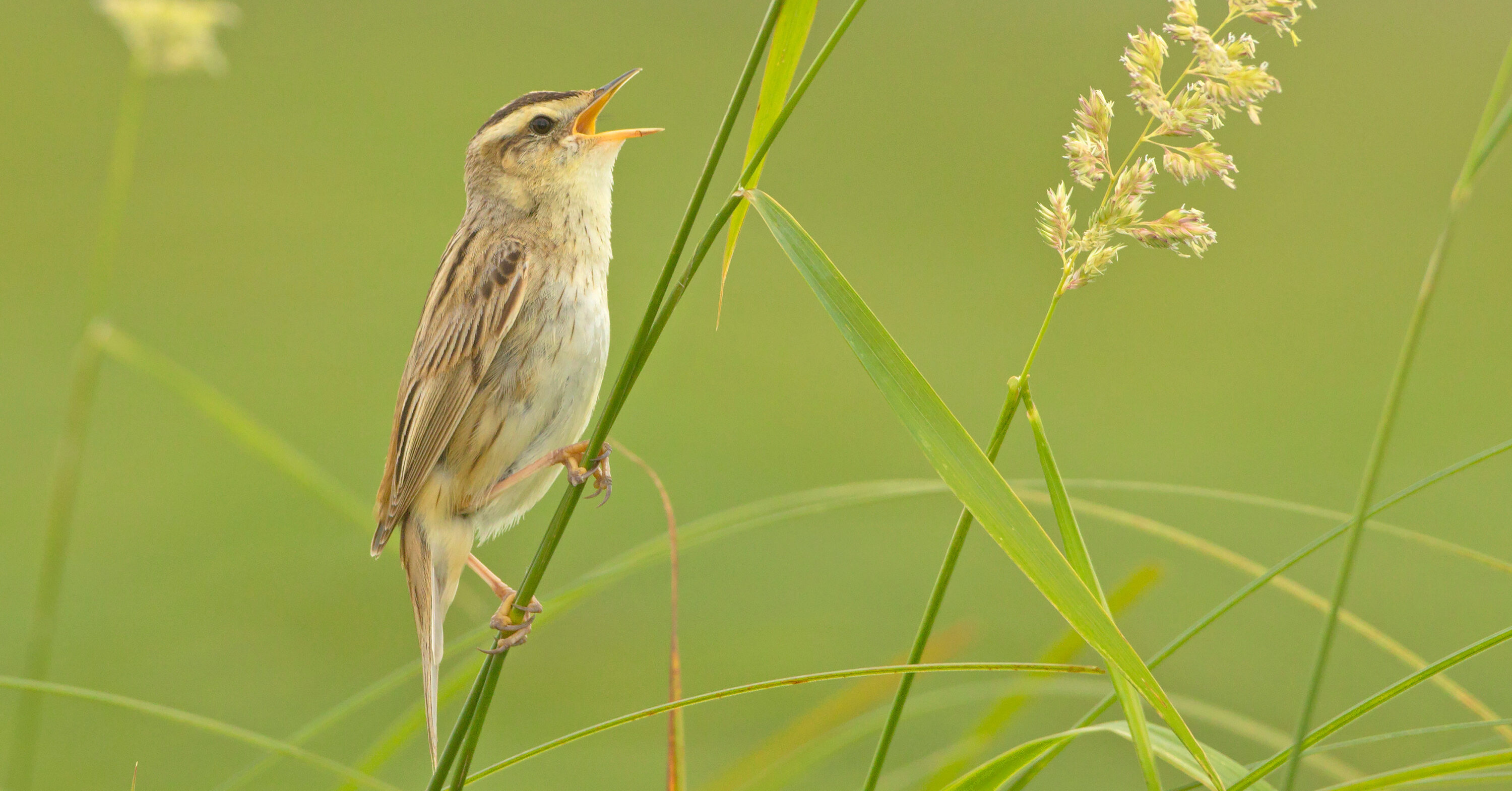


World Migratory Bird Day is celebrated twice a year, on the second Saturday of May and October, coinciding with the main migratory periods in both hemispheres. This anniversary, promoted by the Convention for the Conservation of Migratory Species of Wild Animals (CMS) and the African-Eurasian Migratory Waterbird Agreement (AEWA) linked to the United Nations Environment Programme, seeks to raise awareness of the importance of conserving migratory birds and their routes on a global scale.
The 2026 motto , “Every bird counts – Your observations matter!”, puts citizen science at the heart of environmental protection. Citizen data collection helps to better understand migratory routes, assess population trends, and detect threats to habitats. This information is essential to guide decision-making and strengthen international cooperation on biodiversity. In addition, social participation strengthens the link with nature and contributes to consolidating a key scientific basis to advance conservation.
According to the report “The State of the Birds of Spain 2024“, published by SEO/BirdLife, bird populations show a trend of generalized deterioration. In spring, 43% of the species show population declines compared to 1998, while in winter 66% maintain a stable or favorable situation. The report stresses that habitat loss and degradation, intensification of land use, and the effects of climate change remain among the main pressures on birdlife.
On a global scale, the report “State of the World’s Migratory Species 2024“, prepared by CMS, indicates that 44% of migratory species assessed show a decreasing population trend and that more than one in five is threatened with extinction. In addition, 51% of Key Biodiversity Areas relevant to migratory species lack protection.
BirdLife International has also warned of the deterioration of the populations of multiple migratory waders and recalls that in 2024 a total of 16 species were reclassified to categories of greater threat, while those of other species have declined by more than a third in recent decades.
This context reinforces the importance of international cooperation, habitat restoration and continued scientific monitoring to reverse the situation. Monitoring platforms promoted by entities such as SEO/BirdLife or the EuroBirdPortal program integrate millions of citizen science observations, allowing the analysis of migratory routes and distribution of species. This information feeds into public policies and reinforces international cooperation for biodiversity conservation.
CONSERVATION AND KNOWLEDGE TO PROTECT MIGRATORY ROUTES
The Biodiversity Foundation of the Ministry for the Ecological Transition and the Demographic Challenge promotes actions aimed at improving the conservation status of birdlife. Among them is the LIFE Marbled Teal project, which has focused on the recovery of this critically endangered species. As a result of the actions carried out in the project, coordinated by the Biodiversity Foundation and now completed, record population figures have been recorded with 172 breeding females and 1,427 offspring.
Also within the framework of the LIFE programme, the Foundation supports initiatives aimed at the conservation of other migratory birds. Projects such as LIFE AWOM and BAEM focus on the aquatic warbler (Acrocephalus paludicola), one of the most endangered species in Europe. These actions promote the restoration of degraded wetlands, the identification of key areas and the development of a network of climate-resilient enclaves along their migratory route.
Scientific knowledge is reinforced through projects for the digitization of data on natural heritage such as DIPROCES, among others, which promotes citizen science through the standardization and publication of wildlife monitoring data. This initiative improves the interoperability of information from consolidated programmes and ensures their open access.
The protection of birdlife also extends to the marine environment through the Pleamar Programme, co-financed by the European Maritime, Fisheries and Aquaculture Fund (FEMPA). In this context, the NORAVES project assesses the accidental mortality of birds in fishing gear and develops mitigation measures in collaboration with the fisheries sector.
World Migratory Bird Day highlights that the conservation of these species depends on both international cooperation and societal involvement. Citizen science, habitat restoration and knowledge generation are key tools to protect migratory routes and strengthen biodiversity in a context of global change.
