


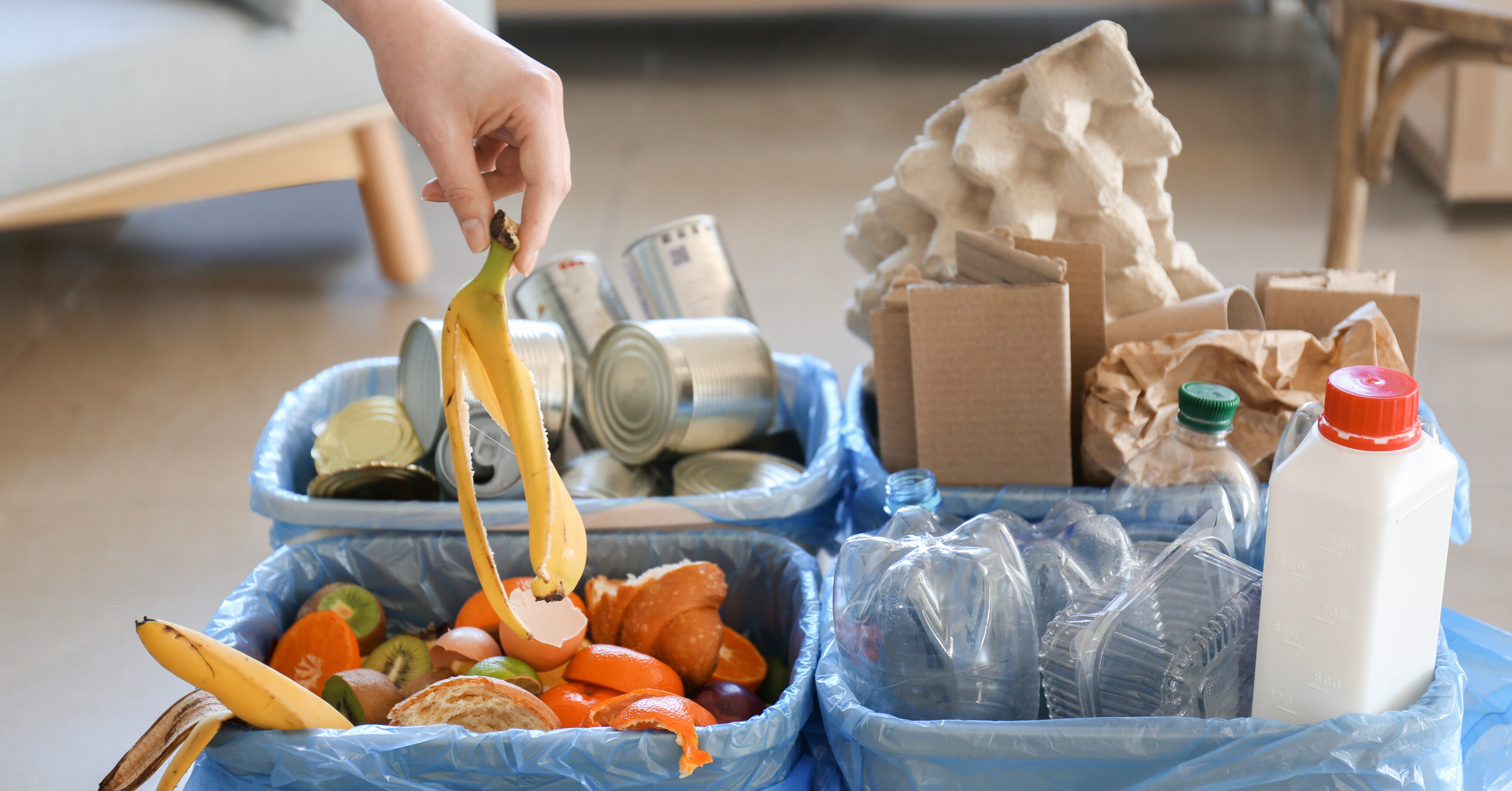


Every May 17 , World Recycling Day is celebrated, an event promoted by UNESCO to raise awareness of the importance of moving towards more sustainable production and consumption models. In the face of increasing pressure on natural resources, climate change and the loss of biodiversity, the circular economy and recycling must be strategic tools to reduce the extraction of raw materials, favour the reuse of materials and reduce the environmental impacts associated with the current linear model of production and consumption.
The challenge is becoming more and more important. According to the “World Resources Outlook 2024” report by the United Nations Environment Programme’s (UNEP) International Resource Panel, global material use has more than tripled in the last five decades. The document also points out that the extraction and processing of material resources account for more than 60% of global greenhouse gas emissions and that the transformation of resources generates about 40% of particulate air pollution .
The transition to a circular economy is also due to increased pressure on raw materials and the growing generation of waste. According to data from Eurostat and the European Parliament, the European Union produces more than 2,100 million tonnes of waste per year. In this context, recycling and reuse make it possible to reduce resource extraction, reduce external dependence and strengthen industrial and environmental resilience.
The European Union is making progress in this direction with initiatives such as the new Ecodesign Regulation for Sustainable Products to improve the repairability and durability of products, facilitate the recovery of end-of-life materials and strengthen European strategic autonomy. According to the European Commission, up to 80% of a product’s environmental impact is determined in its design phase and the transition to a more circular economy could generate around 700,000 new jobs in the EU by 2030.
Added to this is the growing impact of waste on ecosystems and health. The “Global Plastics Prospects” report by the Organization for Economic Cooperation and Development (OECD) points out that global plastics production doubled between 2000 and 2019. The document also warns that millions of tonnes of plastics end up in the environment every year and that microplastics already represent a growing threat to ecosystems and human health, while the United Nations Environment Programme identifies plastic pollution as one of the main global environmental challenges.
BOOSTING THE CIRCULAR ECONOMY
The Biodiversity Foundation of the Ministry for the Ecological Transition and the Demographic Challenge (MITECO) promotes different lines of support to accelerate the transition towards more circular production models within the framework of the Recovery, Transformation and Resilience Plan (RTRP), financed by the European Union – NextGenerationEU. Through four calls for grants, which are part of the Circular Economy PERTE, the aim is to promote eco-design, reduce the consumption of virgin raw materials, improve waste management, promote recycling and accelerate the digitalisation of industrial processes.
The call for proposals for the plastics sector has awarded more than 150 million euros to 115 projects aimed at reducing environmental impacts, promoting the reuse and recycling of materials and improving waste management. The projects range from new sustainable packaging solutions to technologies to increase the traceability and recovery of recycled materials or reduce the release of microplastics.
In parallel, the line of aid for the textile, fashion and footwear sector has granted 31 million euros to 38 projects linked to eco-design, the reuse of fibres, textile recycling and the incorporation of recycled materials. The initiatives promote new solutions to reduce waste and move towards more durable and circular models in one of the sectors with the greatest pressure on natural resources.
In addition to this, there are cross-cutting calls for the promotion of the circular economy in different sectors. The 2022 call was resolved with 165 million euros for 102 projects, while the 2024 call was resolved with 26 million euros for 19 projects focused on improving waste management, reducing the consumption of virgin raw materials, promoting eco-design and accelerating the digital transformation of production processes.
World Recycling Day highlights that moving towards a circular economy is not only about managing waste, but about transforming the relationship with natural resources. Reducing the extraction of materials, improving production efficiency and strengthening reuse and recycling is key to reducing emissions, protecting biodiversity and building a more resilient and competitive economy.
