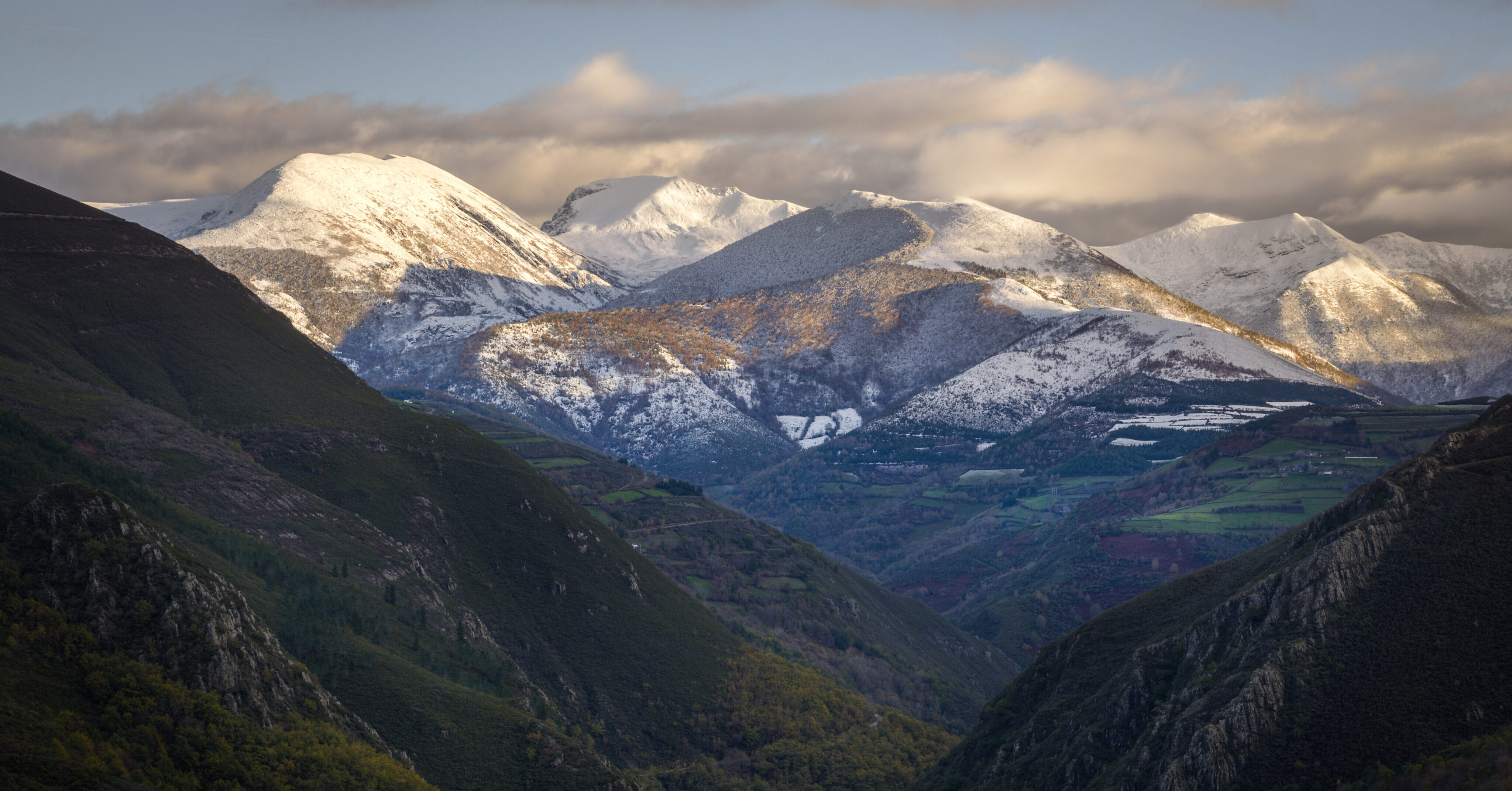


Since 2003, International Mountain Day has been celebrated every December 11, by agreement of the UN General Assembly, with the aim of raising awareness of the importance of these ecosystems and the need to develop sustainable solutions to guarantee their conservation. Mountains cover 22% of the earth’s surface, are home to 15% of the world’s population and more than half depend on them for water, food and energy.
GLACIERS, SOURCES OF LIFE
The slogan chosen for this year, “Glaciers are important for water, food and livelihoods in mountains and downstream regions“, underlines the critical role of mountains as the world’s water reservoirs and the need to take action to prevent glaciers from disappearing. In addition, this commemoration coincides with the International Year of Glacier Conservation.
According to the Food and Agriculture Organization of the United Nations (FAO), glaciers are home to about 70% of the planet’s fresh water. However, it confirms that rising global temperatures are causing them to melt at an accelerated rate, posing a threat to agriculture and water security. This glacial retreat amplifies geological hazards such as flooding, overflows, landslides, and increased erosion and sedimentation.
MOUNTAINS AND THE MELTING OF GLACIERS IN SPAIN
According to the Ministry of Agriculture, Fisheries and Food, 38% of Spanish municipalities are located in mountain areas, covering 41% of the territory, and are distributed in all autonomous communities and 49 provinces. Despite their importance, these spaces face critical challenges such as desertification and the intensification of large fires.
In line with this year’s motto, the data on the cryosphere in Spain are worrying. The CLIVAR-Spain 2024 report reveals that Spanish glaciers have experienced accelerated retreat in the last decade. Permafrost, permanently frozen ground, has practically disappeared in the Sierra Nevada and shows clear signs of warming in the Pyrenees, which accelerates instability phenomena such as rockfalls and avalanches. In addition, the records confirm a decrease in the duration and accumulation of snow cover in the Iberian Peninsula, putting vital water resources at risk.
This glacial fragility has been confirmed by data from the CryoPyr Group of the Pyrenean Institute of Ecology (IPE-CSIC). The Aneto glacier has broken up again, which has caused it to divide into three disconnected ice masses and a new loss of 3.6 hectares. For its part, the Ossoue glacier, on the border of Spain and France, has been the most affected of the season, with average losses of 3.5 meters thick.
PROMOTION OF THE FOREST BIOECONOMY
The Biodiversity Foundation of the Ministry for the Ecological Transition and the Demographic Challenge (MITECO) is actively promoting transformative projects in mountainous areas throughout Spain. These initiatives, framed in the Recovery, Transformation and Resilience Plan (RTRP) and financed by the European NextGenerationEU funds, seek to revitalise the bioeconomy, combat the challenge of rural depopulation and significantly strengthen the resilience of natural ecosystems.
Among them, the OVIHUEC project stands out. DAT, which digitizes communal silvopastoral management through sheep herds, which reduces forest biomass to prevent fires and generates youth employment. In parallel, BoscAran implements the Forest Management Plan with innovative techniques to increase the climate resilience of the area, promote biomass as a source of green energy and create local employment.
Finally, BioPirineo addresses the sustainable management of forests, fire prevention, the optimisation of livestock practices and the diversification of ecotourism through the remuneration of environmental services.
These initiatives share a commitment to the sustainable management of resources, the promotion of the bioeconomy as a driver of rural development, community participation and technological innovation. They seek to develop replicable models that can be transferred to other areas with similar challenges, strengthening the resilience and sustainability of mountain ecosystems.
International Mountain Day invites us to recognize these ecosystems as drivers of global resilience. It is essential to preserve these ecosystems for future generations, ensuring water, biodiversity and sustainable prosperity.