


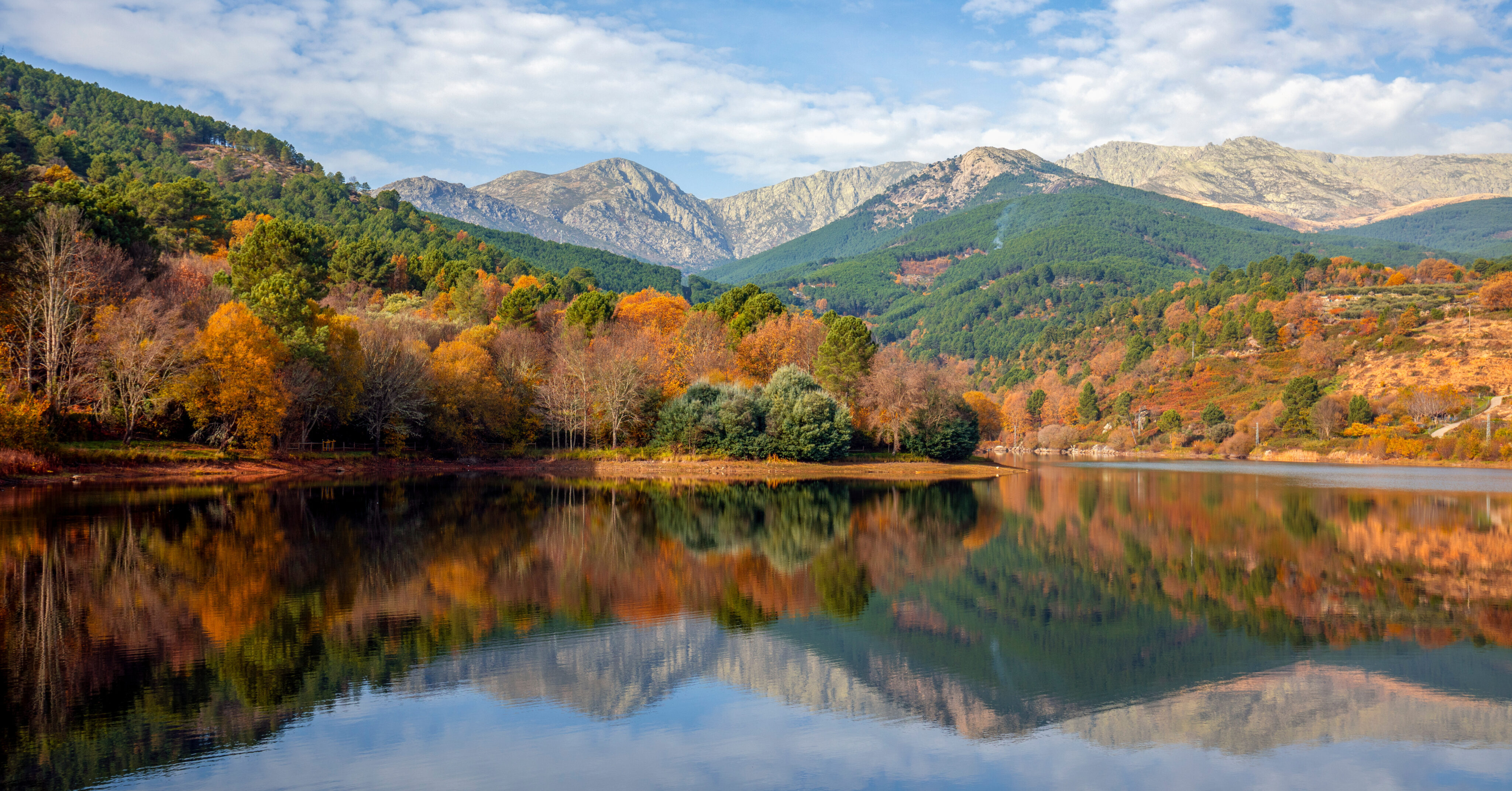


Every May 21 , the European Day of the Natura 2000 Network is celebrated, a date promoted by the European Commission in 2017 to make visible the importance of this ecological network and strengthen social involvement in the conservation and restoration of nature. This ecological instrument connects some of Europe’s most valuable ecosystems and plays an increasingly important role in the face of challenges such as climate change, droughts, forest fires or ecosystem degradation.
The Natura 2000 Network integrates more than 27,000 protected areas, making it the largest network of protected areas in the world. It also covers about a fifth of the European Union’s land area and more than 10% of its seas, including ecosystems essential for the conservation of around 1,200 rare and threatened species and 230 types of habitats of Community interest.
For more than three decades, the Birds Directive and the Habitats Directive have provided the framework for managing these territories, integrating biodiversity conservation, traditional uses and sustainable economic activity. The benefits associated with these ecosystems generate between 200,000 and 300,000 million euros per year and support around 4.4 million jobs, according to data from the European Commission.
In Spain, the Natura 2000 Network covers more than 27.4% of the earth’s surface and has more than 1,860 protected areas. Currently, it integrates nearly 1,500 Sites of Community Importance (SCI), covering a total area of more than 263,000 km², of which around 119,000 km² correspond to the terrestrial environment and more than 144,000 km² to the marine environment. There are also some 660 Special Protection Areas for Birds (SPAs), some shared with SCI areas, which together occupy more than 164,000 km².
At the end of last year, the Ministry for the Ecological Transition and the Demographic Challenge (MITECO) approved the incorporation of new marine protected areas into the Natura 2000 Network, with five new SCIs and a new SPA. These designations have made it possible to expand the marine protected area by nearly 1.7 million hectares to 22.5% of Spanish waters, moving towards the target of 30% by 2030. The identification of a large part of these sites has been based on the scientific proposal for the adaptation of the marine Natura 2000 Network in Spain, prepared within the framework of the LIFE INTEMARES project, coordinated by the Biodiversity Foundation.
RESTORATION, CONSERVATION AND GREEN EMPLOYMENT IN THE NATURA 2000 NETWORK
The MITECO Biodiversity Foundation promotes numerous actions linked to the conservation, restoration and management of terrestrial and marine areas of the Natura 2000 Network. These initiatives reinforce its role as a key tool to strengthen territorial resilience, ecological connectivity and biodiversity conservation.
On the one hand, the Foundation coordinates or participates as a partner in various LIFE projects whose actions take place in areas of the Natura 2000 Network.
Among the most relevant initiatives is LIFE Wetlands, the largest LIFE project approved to date by the European Union. This initiative will mobilise more than 270 million euros over the next decade to carry out 284 restoration actions on more than 26,000 hectares and 107 Natura 2000 sites, through hydrological and ecological restoration actions and to improve the conservation status of habitats and species of community interest.
Ecological restoration and the recovery of endangered species are another of the priority lines. The LIFE Marbled Teal project, completed last March, contributed to a fourfold increase in the breeding population of this critically endangered species. At the same time, LIFE ECOREST is working on the restoration of 30,000 hectares of deep marine habitats off the coast of Catalonia and LIFE Stewardship is strengthening land stewardship through voluntary conservation agreements and collaborative governance models in Natura 2000 areas. In the marine field, initiatives such as LIFE INTEMARES, which promotes effective management of the marine environment and has made it possible to identify 104 marine areas of high ecological value, and LIFE A-MAR NATURA 2000, which has developed dissemination and citizen science actions, have contributed to strengthening knowledge, management and awareness of marine protected areas.
Likewise, within the framework of the call for subsidies to support projects of the LIFE programme and the digitalisation of knowledge of natural heritage, initiatives aimed at the recovery of vulnerable ecosystems and species linked to Natura 2000 areas stand out. These include LIFE AWOM, which focuses on the restoration of key wetlands for the conservation of aquatic warbler, and RESTAURAPIR_SOR, which works on the recovery of high mountain lakes in the Catalan Pyrenees through the restoration of aquatic habitats of community interest.
Thanks to the European Regional Development Fund (ERDF), green connectivity and climate adaptation are also growing priorities. The CONFOR-CCAD project analyses the connectivity of 19 protected forest habitats in Castilla y León to design ecological corridors and strengthen the resilience of ecosystems to climate change. At the same time, urban green infrastructure initiatives such as the one developed in Andújar favour the connection between urban, rural and river spaces in a municipality where 75% of the territory is part of the Natura 2000 Network.
Within the framework of the Pleamar Programme, co-financed by the European Maritime, Fisheries and Aquaculture Fund (FEMPA), the Biodiversity Foundation promotes projects aimed at restoring the marine environment and improving the management of marine Natura 2000 sites. These include MARAVES II, which focuses on reducing seabird bycatch through collaboration with the fishing sector, and MARVEL, which is working on the development of a regional network of marine areas of high ecological value in the Mediterranean.
The social and economic dimension of these territories is also key. Through the Empleaverde+ Programme, co-financed by the European Social Fund+, the Foundation supports initiatives linked to green employment, ecological restoration and sustainable ecotourism in protected areas. Projects such as Emprende Ecoturismo in Spain promote new opportunities linked to biodiversity conservation and rural socio-economic development.
Currently, the Natura 2000 Network continues to consolidate itself as one of the main instruments for the conservation of species and habitats in Europe. The evolution of this network also reflects how biodiversity conservation, territorial resilience and sustainable development can advance together.
