Social participation for adaptation to climate change in the agricultural sector (AgriAdapt)
MITECO
Through this project, the Global Nature Foundation has worked to promote climate change adaptation in the agricultural sector through actions that include the mobilization of actors, climate risk assessment with diagnostic tools, the joint design and implementation of sustainable solutions and measures for adaptation to climate change. as well as the improvement of access to scientific information to train and raise awareness in the sector.
Line of action:
Drivers of biodiversity lossStatus:
FinalizadoExecution date:
2023Total budget:
239.315,15 €Amount of aid from the Biodiversity Foundation:
191.452,12 €Project web page:
https://fundacionglobalnature.org/portfolio/adaptacion-al-cambio-climatico-en-el-sector-agrarioThe scientific progress and development of tools for analyzing climate risk and impact in the agricultural sector in recent years has not been enough to motivate farmers to implement adaptation measures, according to the Global Nature Foundation. Greater technical knowledge with scientific rigor does not necessarily translate into greater awareness or action. It is necessary to know the sector’s perception of climate change and especially the barriers that are slowing down its adaptation.
This project encompasses two strategic components for action in the National Climate Change Adaptation Plan (PNACC) 2021-2030. On the one hand, it has an impact on the generation of knowledge, where it is necessary to provide resources for the design and evaluation of adaptation strategies and measures. On the other hand, it encourages the mobilization of actors, both from the public and private agricultural sectors, so that they have an active and conscious involvement through information, dissemination, training, research, innovation and social participation.
The main objective is to promote adaptation to climate change in the agricultural sector through the mobilization of stakeholders, the assessment of climate risk with diagnostic tools, the co-design of adaptation measures in different agro-climatic contexts and the dissemination and transfer of the knowledge generated.
It has these specific goals:
- Evaluate the perception that the agricultural sector has of the impacts of climate change, identifying the technical, technological, psychological and socioeconomic barriers of farmers to the implementation of adaptation measures.
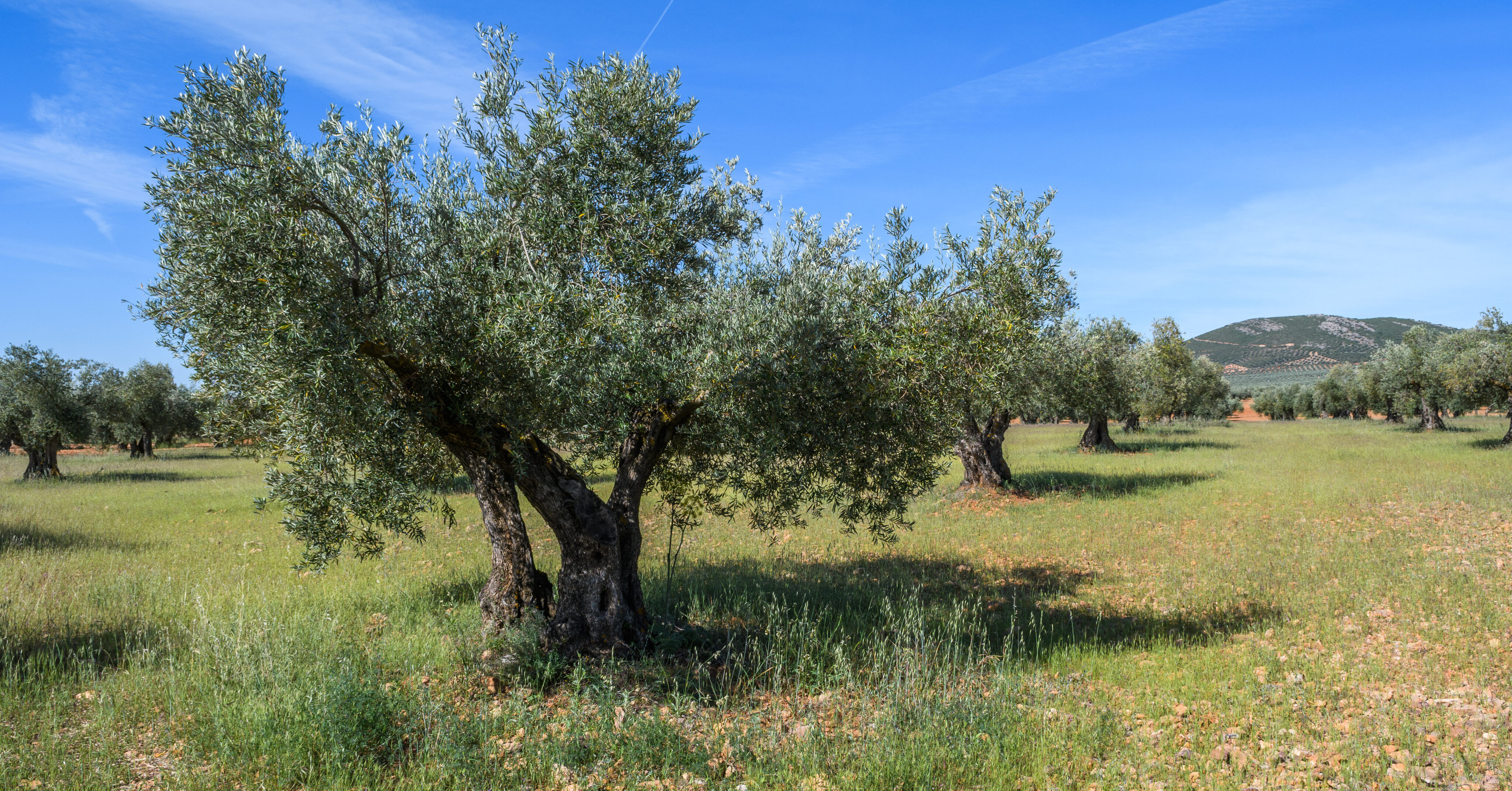
- Diagnose impacts and risks of climate change on four strategic crops (olive groves, nuts, cereals and vineyards) with the Canari tool, incorporating elements that help to overcome the identified barriers.
- Promote the implementation of sustainable solutions and measures for adaptation to climate change in the agricultural sector, specifically in the four strategic crops diagnosed.
- Improve access to scientific information (including tools for climate change risk analysis and assessment), raise awareness and build capacity in the sector through training, dissemination and information transfer.
- Evaluation of the social perception of the impacts and risks of climate change on four strategic crops (olive groves, nuts, cereals and vineyards) in three territories.
- Analysis and evaluation of risks and impacts of climate change at farm level on these four strategic crops in three autonomous territories (Castilla La Mancha, Navarra, Comunidad Valenciana).
- Presentation of results and co-design of sustainable climate change adaptation measures in five participatory workshops with the agricultural sector.
- Preparation of technical manuals for sustainable adaptation to climate change for the four strategic crops.
- Training sessions on key structures for each strategic crop, aimed at the agricultural sector.
- Communication, dissemination and transfer of project results.
- The report “Perception of climate change in the Spanish agricultural sector” has been published, which analyses the sector’s view of climate risks, as well as the technical, economic and social barriers that hinder the adoption of adaptation measures.
- Four crop-specific online technical manuals on climate change adaptation have been developed, offering practical information and tools to improve agricultural resilience.
- A detailed diagnosis of climate risks and impacts in the study territories has been carried out using the CANARI tool, with the identification of 72 sustainable adaptation measures adapted to each crop and local context.
- More than 150 farmers and technicians from cooperatives have participated directly in face-to-face workshops, which allowed the co-creation and validation of solutions adapted to each territory.
- Six online conferences were held, with more than 300 attendees, which facilitated the dissemination and exchange of good practices in agricultural adaptation on a national scale.

Social participation for adaptation to climate change in the agricultural sector (AgriAdapt)

 back to search