


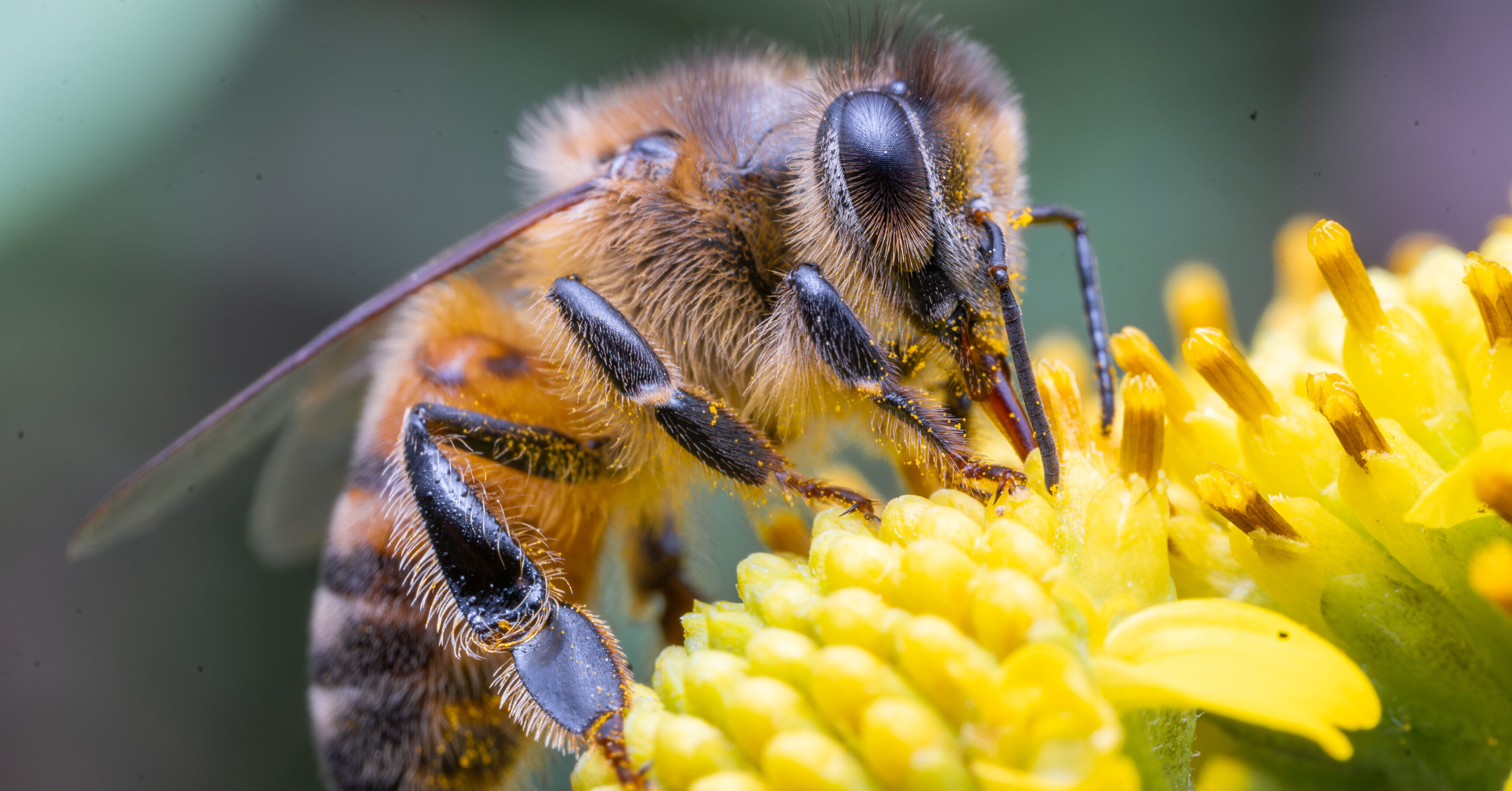


World Bee Day is celebrated every May 20, an event proclaimed by the United Nations General Assembly in 2017 to recognize the importance of this and other pollinators for ecosystems, food production and human well-being. The date also commemorates the birth of Anton Janša, a pioneer of modern beekeeping and a historical reference of this activity.
Under the slogan “Together with bees, for people and the planet. A partnership that sustains us all “, the celebration focuses on the historical relationship between human communities and bees. For centuries, beekeeping has been part of food, the local economy and cultural identity. Beyond their cultural and productive value, bees and other pollinators sustain processes essential to biodiversity.
According to the Food and Agriculture Organization of the United Nations (FAO), about 75% of the world’s major food crops and nearly 90% of wild flowering plants depend, at least in part, on animal pollination to reproduce. This makes pollinators essential pieces for maintaining complex ecological networks and promoting the natural regeneration of ecosystems. In addition, a scientific review on pollination services in forests includes studies on small farms where proper pollination management allowed the average crop yield to increase by around 24%.
The diversity of pollinators is much greater than is usually perceived. There are around 25,000 species of bees in the world, present on all continents except Antarctica. Along with them, butterflies, beetles, moths, flies, wasps, birds and bats play essential roles for the reproduction of numerous plant species. FAO also stresses that having varied communities of pollinators helps maintain pollination stability in different landscapes and climatic conditions, strengthening the resilience of ecosystems to climate change.
The value of the ecosystem services they offer goes far beyond the production of honey or wax. According to FAO’s guide “Good Beekeeping Practices for Sustainable Beekeeping“, the economic value of pollination can be between 30 and 50 times higher than that of products obtained directly from the hive. The organization also recalls that a single honey bee can visit about 7,000 flowers a day. Bats, for example, contribute to the pollination of species related to crops such as agave or banana and promote the genetic variability of numerous plants when moving long distances.
Despite their ecological and food importance, pollinator populations are declining on a global scale due to habitat loss and fragmentation, intensive agriculture, invasive species, disease and climate change. The update of the European Red List published by the International Union for Conservation of Nature (IUCN) indicates that at least 10% of European wild bee species are threatened with extinction, more than double the number in the previous assessment. In addition, 15% of the European butterfly species assessed are at risk of extinction.
Spain is home to one of the greatest diversity of wild bees in Europe, with more than 1,100 species recorded, many of them endemic. To advance in their conservation, the Ministry for the Ecological Transition and the Demographic Challenge (MITECO) has a National Strategy for the Conservation of Pollinators, integrated into the European Pollinator Initiative.
POLLINATORS, BIOECONOMY AND HABITAT RESTORATION
For its part, the MITECO Biodiversity Foundation promotes different projects aimed at strengthening sustainable beekeeping, pollinator conservation and rural development within the framework of the call for grants for the promotion of the bioeconomy, co-financed by the European Regional Development Fund (ERDF).
Among them, APIS-FORESTA promotes a forest bioeconomy model linked to the recovery of traditional hives, the conservation of the Iberian black bee and the restoration of chestnut groves. The project plans to restore traditional hives, train people in beekeeping and increase the Iberian black bee population by 40%, in addition to promoting reforestation and multifunctional forest management actions.
Likewise, the AAMZO initiative works to promote coexistence between mountain beekeeping and the conservation of the brown bear through the installation of fences and advisory measures to reduce damage in apiaries located in bear areas. The project will cover 350 mountain beekeeping farms and will benefit beekeepers in Asturias, Cantabria, Burgos, Palencia and León, contributing both to the conservation of biodiversity and to the maintenance of traditional economic activities linked to the territory.
In addition, within the framework of the RTRP, funded by the European Union – NextGenerationEU, the Biodiversity Foundation has supported initiatives linked to sustainable beekeeping, habitat improvement and ecological restoration. Projects such as REACTIVA BRAÑOSERA or GAD-EX Laboratory have reinforced knowledge about bees and local beekeeping, while urban renaturation initiatives such as BRERA, GIJÓN ECORESILIENTE or RenaturaliZA have incorporated native species and new green spaces to promote pollinating fauna and improve ecological connectivity in urban environments.
World Bee Day reminds us that conserving pollinators not only means preserving specific species, but also maintaining ecological processes that are essential for biodiversity, food and the resilience of territories. To do this, it is necessary to move towards more diverse landscapes, reduce environmental pressures and promote more sustainable agricultural models to ensure balance between people and ecosystems.
