




Every April 16 , World Entrepreneurship Day is commemorated to vindicate entrepreneurship as a driver of economic, social and environmental progress. This event recognises the role of entrepreneurial talent as a key element in boosting the economic fabric, promoting social cohesion and responding to major global challenges through innovative solutions capable of improving collective well-being.
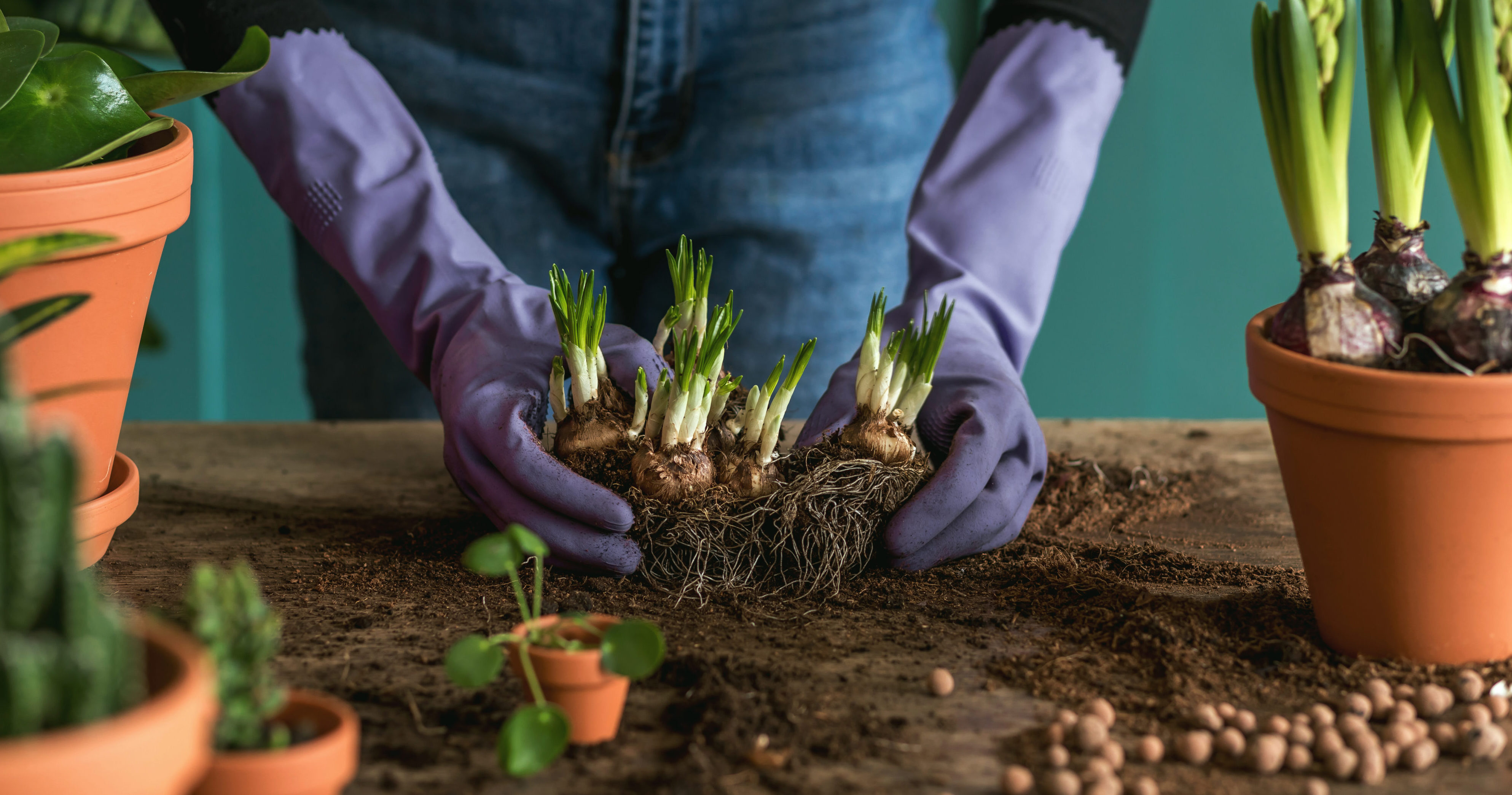
In this context, green entrepreneurship is decisive to accelerate the ecological transition. This model contributes to mitigating climate change, boosts local employment, unites the territory and reinforces economic resilience. Innovation with an environmental vocation facilitates an inclusive and circular economy, capable of demonstrating that economic development is inseparable from the conservation of biodiversity and the sustainable use of natural resources.
Europe’s green transition is facing an increasingly demanding global context. The State of the Green Economy Report underlines the need to strengthen investment and consolidate a sound industrial policy. Sustainability responds to both an environmental urgency and an economic opportunity. Efficiency and the use of secondary raw materials reduce business costs, while circularity makes goods and services cheaper. As a reflection of this evolution, resource productivity in the European Union has increased by 37% in the last five years.
At the national level, the entrepreneurial ecosystem maintains a positive evolution. To sustain this progress, funding plays a key role. The OFISO Annual Report indicates that sustainable financing in Spain grew by 8%, reaching 65,705 million euros, in parallel with a growing demand for ethical and responsible products. Meanwhile, the Global Entrepreneurship Monitor report places recent entrepreneurial activity at 7.2% of the adult population. Six out of ten companies invest to generate positive impact and 63% of new projects evaluate their social implications in decision-making. Likewise, 60% of those who lead consolidated businesses apply measures to reduce their ecological footprint.
Despite these advances, structural challenges remain. The gender gap continues to condition access to initial financing: three out of four women have less than 30,000 euros to start their project and only 10% exceed 100,000 euros in capital, compared to 19% of men. Likewise, the resident foreign population has an entrepreneurship rate that is double the national rate, while people with disabilities show greater entrepreneurial intention, although they face greater difficulties in consolidating their initiatives.
Sustainable entrepreneurship acquires strategic relevance in rural areas. In municipalities with less than 5,000 inhabitants, the rate of recent projects reaches 5.8% and consolidation levels exceed those of urban areas. This dynamism is largely driven by female talent: 7% of women are entrepreneurs in rural areas, compared to 5% of men, which contributes to generating employment, revitalising the local economy and making progress in the face of the demographic challenge.
PROMOTION OF SPANISH GREEN ENTREPRENEURSHIP
To consolidate this change in the production model, the Biodiversity Foundation of the Ministry for the Ecological Transition and the Demographic Challenge (MITECO) supports the creation and consolidation of sustainable companies through the Emprendeverde Network (REV). This initiative of the Empleaverde+ Programme, co-financed by the European Social Fund Plus, has 15 years of experience and aims to support business models that contribute to a fair ecological transition.
The REV integrates a community of more than 11,000 members and articulates an ecosystem that connects entrepreneurial talent, investment entities, the academic community, the public sector and civil society. The network has developed more than 135 actions with the participation of 6,000 professionals.
Its tools include free pre-incubation services, training and specialised advice, which have allowed nearly a thousand people to perfect their business models. The Emprendeverde Labs facilitate experimentation in areas such as climate adaptation, circular economy or green infrastructure, while the Emprendeverde Meetings have brought together more than 600 participants and 80 specialists, promoting strategic alliances.
Projects such as Kuboshi, Corkup or Aromik, together with initiatives led by women, such as Recircular, Revolución Limo, Gravity Wave or Sirem Wild, show the potential of green entrepreneurship to generate employment, reduce the carbon footprint and promote economic models aligned with the limits of the planet.
